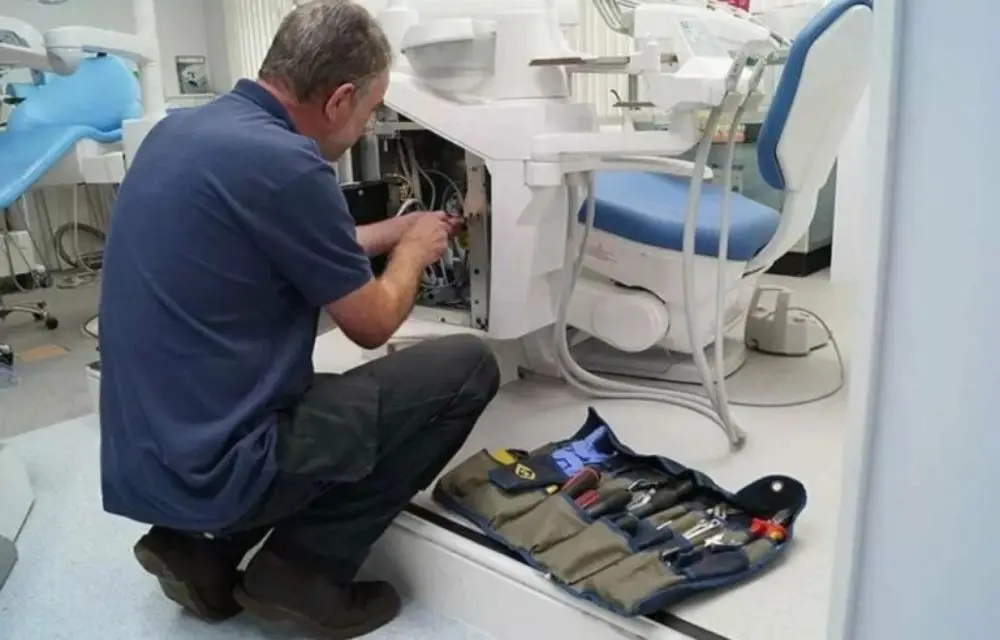
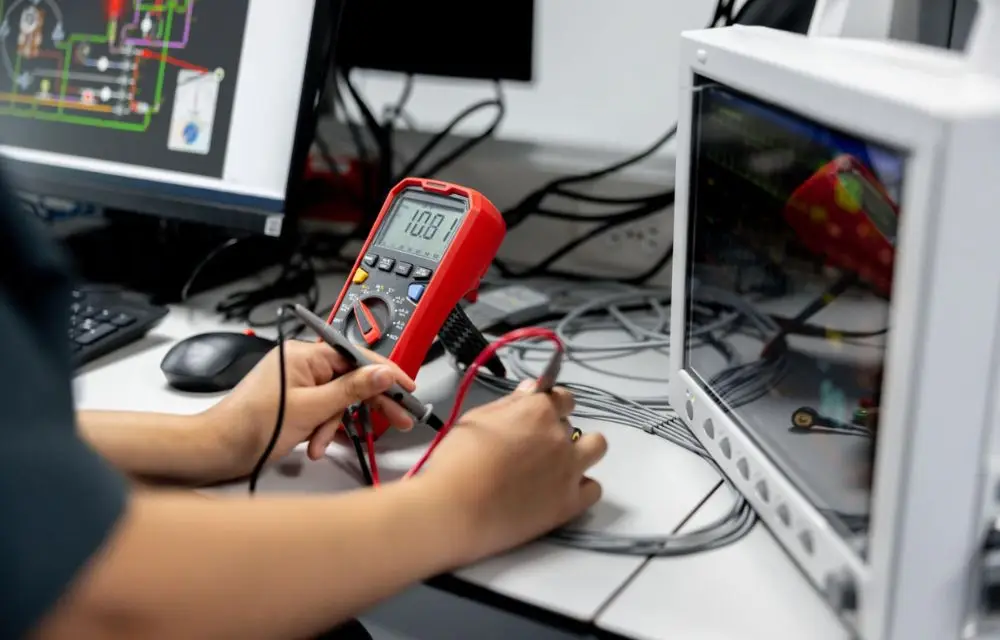
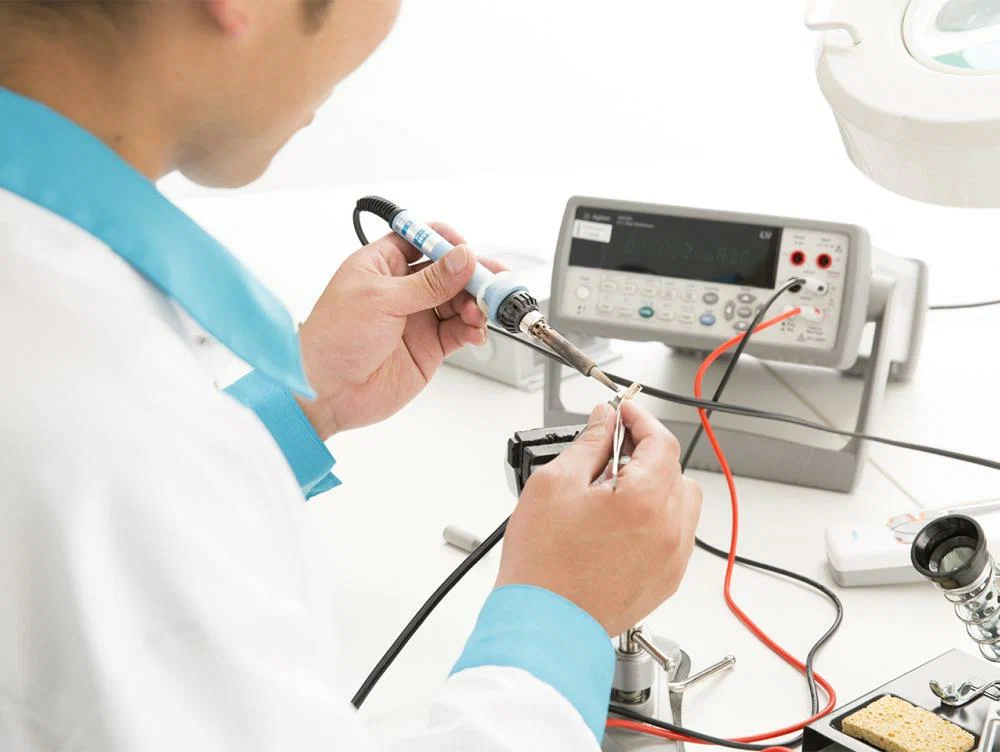
Medical equipment is crucial to diagnosing, monitoring, and treating patients. From advanced imaging systems to routine devices such as patient monitors and infusion pumps, healthcare facilities depend on these devices to operate correctly and consistently. Yet, as with all mechanical or electronic equipment, medical equipment is prone to wear and tear, technical malfunctions, and failure over time. This is where a reliable Medical Equipment Repair Service comes into the picture. Let’s discuss the most prevalent issues that need such services and why repair and maintenance on time are essential.
Introduction
Even the slightest medical equipment malfunction can lead to delayed treatment, misdiagnosis, or compromise patient safety in hospitals. The uninterrupted functioning of medical devices is not merely a technical requirement but a matter of life and death. Due to their significance and sophistication, medical equipment must be checked and repaired without delay whenever there are faults. Identifying recurring issues can enable healthcare centers to respond effectively and swiftly when equipment begins to malfunction.
Calibration Errors
One of the most common problems that must be repaired is calibration error. Calibration makes a medical device read accurately. Over time, equipment like blood pressure machines, thermometers, and ECG devices can get out of calibration because of environmental conditions, component aging, or software issues. Incorrect readings can result in false diagnoses or wrong treatment. A Medical Equipment Repair Service can re-calibrate such devices to comply with regulations and give accurate measurements.
Power Supply Failures
Power supply failure is another prevalent issue in medical equipment. Most devices need stable and continuous power sources to operate effectively. Malfunctioning power supplies can lead to equipment failure to start or sudden shutdowns. The problem usually arises from worn-out internal batteries, loose connections, damaged plugs, or internal circuit board faults. Repair services are vital in identifying the underlying cause of power problems and replacing or repairing parts to regain full functionality.
Display and Interface Failures
Modern medical devices rely very much on digital displays and touch interfaces. Defibrillators, monitors, and ventilators all employ screens to display real-time information and enable user input. Display failures — like flashing screens, frozen touch panels, or warped images — prevent medical staff from making timely decisions. These failures could be due to hardware failure, software glitches, or moisture and contamination exposure. Hiring a trusty Medical Equipment Repair Service ensures these interface problems are resolved quickly.
Sensor and Probe Damage
Sensors and probes are commonly utilized by medical equipment to track the health of patients. Pulse oximeters, for instance, use optical sensors, while ultrasound devices employ probes to send and receive sound waves. These are fragile pieces of equipment susceptible to physical shock, fluid intrusion, or everyday use. Faulty sensors can generate faulty readings or fail to operate at all. Such parts can easily be replaced or refurbished by professional repair technicians, who can get the device back into operation without replacing it entirely.
Software and Firmware Glitches
Today’s medical equipment increasingly depends on embedded software or firmware to function. Software errors may lead to random behavior, delayed responses, improper data recording, or total system freezes. These issues can develop after faulty updates, cyber-attacks, or memory failures. A Medical Equipment Repair Service can diagnose software-related issues, re-install firmware, and install necessary patches to safely and effectively return the system online.
Mechanical Wear and Tear
Mechanical devices used in healthcare equipment, like moving parts in infusion pumps, hospital beds, or ventilator valves, wear out over time. Repetitive use, inadequate maintenance, or improper handling may result in jamming, noise, or complete mechanical breakdown. Typical symptoms include resistance to operation, abnormal vibration, or delayed response. Trained repair technicians can remove, clean, lubricate, and replace mechanical elements for optimal functioning.
Connectivity and Network Issues
In today’s digital world, numerous medical devices are data-sharing and remotely monitored through networks. Operational efficiency is significantly impacted by problems like failure to connect with hospital networks, non-stable wireless communication, or not sending patient data. Network cards, internal modems, or faulty settings are often the culprits. There needs to be a Medical Equipment Repair Service that knows medical and IT systems to diagnose and correct such issues without compromising patient data security.
Fluid or Contamination Damage
Spills of fluids such as saline, medications, or cleaning chemicals can compromise internal electronics. Exposure to dust, biological agents, or chemicals can impact performance in diagnostic and lab equipment. Unchecked, such exposure can corrode circuitry, clog moving parts, and encourage short circuits. Cleaning, decontamination, and repairing compromised equipment must be carried out according to health safety procedures by professional repair services.
Also Read – How to Choose the Right Medical Equipment Repair Provider: Key Factors to Consider?
Battery Degradation
Battery-powered portable medical devices like defibrillators, infusion pumps, and handheld diagnostic equipment depend on internal batteries. Through repeated charging cycles, batteries become worn out, their operating time shortens, or they fail to charge. This can be disastrous in emergency environments. A Medical Equipment Repair Service can check the health of the batteries, replace worn-out batteries, and ensure backup systems are operational.
User-Induced Damage
Finally, user-induced damage is a frequent cause of repairs. It encompasses inappropriate handling, dropping devices, faulty cable connections, or exposure to extreme environments. Although employee training can minimize the risk of such occurrences, accidents in a high-pressure setting cannot be avoided. Prompt repairs can regain functionality and prevent further deteriorating long-term damage.
Conclusion
Medical equipment is a part of today’s healthcare, and proper functioning is crucial for patient safety and care. From calibration faults and power outages to software faults and physical harm, many problems can occur in these devices. A good and effective Medical Equipment Repair Service assists healthcare centers in reducing downtime, maintaining accuracy, and prolonging the life of expensive equipment. Consistent maintenance, on-time fault detection, and qualified repairs save money and enable the highest levels of patient care. Spending money on quality repair service is not simply a technical choice — it’s an integral element of healthcare greatness.