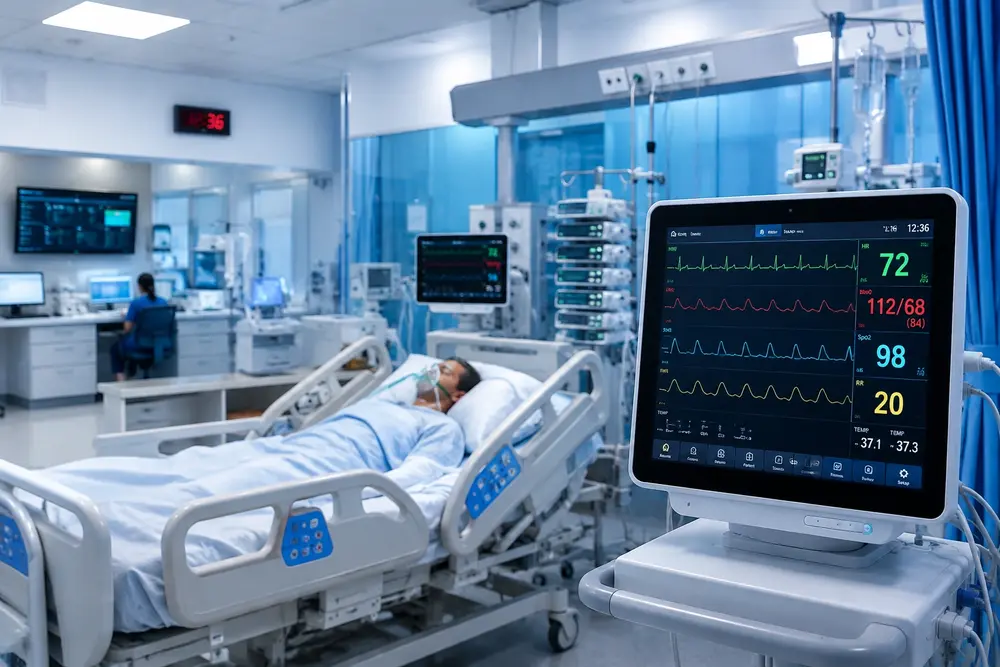
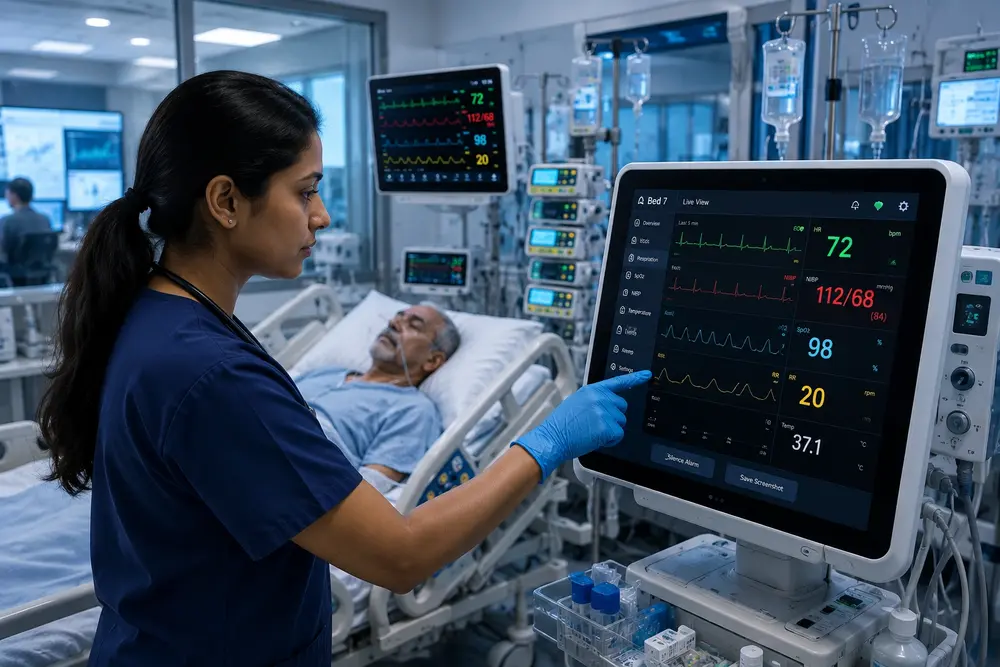
Hospitals across the UAE are moving fast toward connected, data-driven patient care, and nowhere is this shift more visible than in the way patient monitoring system in UAE facilities operate today. What used to be a simple bedside monitor displaying heart rate and blood pressure has evolved into a connected network of devices that track patients continuously, alert staff to early warning signs, and even allow clinicians to monitor patients remotely. For hospital administrators and clinical teams, understanding this shift is no longer optional — it is central to how modern healthcare in the UAE is delivered.
Why Patient Monitoring Has Become So Important
Patient safety depends on catching problems early. A patient whose vital signs begin to deteriorate often shows subtle changes long before a visible crisis occurs. Traditional monitoring, where nurses check vitals every few hours, can miss these early warning signs. Continuous, connected monitoring closes that gap, giving clinical teams real-time visibility into every patient under their care, whether in the ICU, general ward, or at home during recovery.
What’s Driving the Shift Toward Smart Monitoring
Rising Patient Volumes and Staff Workloads
As the UAE’s population grows and hospital occupancy increases, nursing teams are being asked to monitor more patients with the same number of staff. Smart monitoring systems help by automatically flagging patients who need attention, allowing nurses to prioritize their time more effectively rather than checking every bed on a fixed schedule.
The Growth of Remote and Connected Care
Remote patient monitoring is gaining real traction in the UAE, particularly for chronic disease management and post-surgical recovery. Wearable sensors and connected devices now allow clinicians to track a discharged patient’s vital signs from home, reducing unnecessary hospital readmissions and freeing up beds for patients who need them most.
Integration With Hospital Information Systems
Modern patient monitoring equipment increasingly connects directly with electronic health records and hospital information systems, so vital signs data flows automatically into a patient’s chart instead of being manually recorded. This reduces documentation errors and gives the full care team an accurate, real-time picture of a patient’s condition.
Types of Patient Monitoring Equipment UAE Hospitals Use
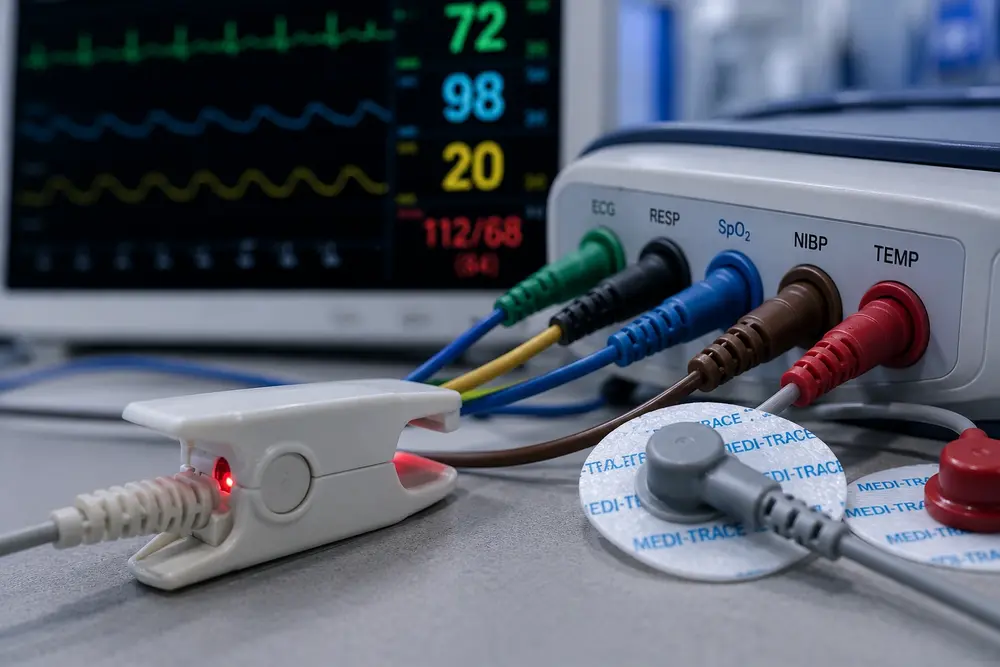
Multiparameter monitors for ICUs and CCUs tracking heart rate, oxygen saturation, blood pressure, and respiration together
Fetal and maternal monitors for labor and delivery units
Remote and wearable monitoring devices for home-based and step-down care
Central monitoring stations that let a single nurse oversee multiple patients from one screen
Portable monitors for patient transport between departments
Challenges Hospitals Face When Upgrading Monitoring Systems
Upgrading to a modern patient monitoring system in UAE hospitals is not without its challenges. Facilities must plan for staff training on new interfaces, ensure new equipment integrates properly with existing hospital IT systems, and budget for ongoing calibration and maintenance. Choosing equipment from a supplier who understands both the clinical and technical sides of this integration make the transition considerably smoother.
Choosing the Right Patient Monitoring System for Your Facility
Not every ward needs the same level of monitoring. ICUs and CCUs require full multiparameter systems with continuous alarms, while general wards may only need intermittent or lower-acuity monitoring for most patients. When evaluating a new patient monitoring system in UAE facilities, consider how easily the equipment fits your existing nursing workflow, whether it can scale up as patient numbers grow, and how well it integrates with the monitors and software you already have in place. Alarm fatigue is another factor worth planning for — systems with smart, adjustable alerting reduce unnecessary noise and help nursing staff focus on the alarms that genuinely need attention.
The Long-Term Value of Investing in Better Monitoring
Facilities that invest in modern monitoring technology often see the benefits extend well beyond the ICU. Fewer missed early warning signs mean shorter average length of stay, fewer emergency escalations, and better use of nursing time across busy wards. For hospital administrators weighing the upfront cost of an upgrade, these downstream operational gains are an important part of the overall business case, alongside the clear patient safety benefits.
Paramount Medical Equipment Trading LLC: Supporting Smart Patient Monitoring Across the UAE
Paramount Medical Equipment Trading LLC supplies a wide range of patient monitoring equipment to hospitals and clinics across the region, from bedside multiparameter monitors to central monitoring stations. Their biomedical engineering team supports installation, IT integration, and staff training, helping healthcare facilities move confidently toward more connected, proactive patient care.
Conclusion
The shift toward smarter, more connected patient monitoring is reshaping how UAE hospitals deliver care, helping clinical teams catch problems earlier and manage rising patient volumes more effectively. As remote and integrated monitoring technology continues to mature, hospitals that invest in the right systems today will be better placed to deliver safe, efficient care in the years ahead. Paramount Medical Equipment Trading LLC remains a trusted partner for facilities making this transition.