Neurological conditions, from stroke and epilepsy to nerve disorders and chronic headaches, are becoming a bigger part of the caseload UAE hospitals manage every year. Diagnosing and treating these conditions accurately depends on having the right Neurology Equipment UAEin place, from basic diagnostic tools to advanced neurosurgical systems. For hospital administrators and department heads planning to build or expand a neurology service, understanding what equipment is genuinely needed — and why demand is growing so quickly — is the first step toward a well-planned investment.
Why Neurology Services Are Expanding Across the UAE
An ageing population, rising rates of lifestyle-related conditions such as diabetes and hypertension, and growing awareness of neurological symptoms are all pushing more patients toward specialist neurology care. Stroke in particular has become a major focus for UAE hospitals, since fast, accurate diagnosis in the first hours after symptoms begin has a direct impact on how much recovery a patient can expect.
As a result, hospitals that once referred every neurology case to a handful of specialist centers are now building their own in-house capability, which means investing in a wider range of neurology equipment UAE facilities previously outsourced.
Core Diagnostic Equipment
Every neurology department relies on a foundation of diagnostic tools that assess how the brain and nervous system are functioning.
EEG Systems
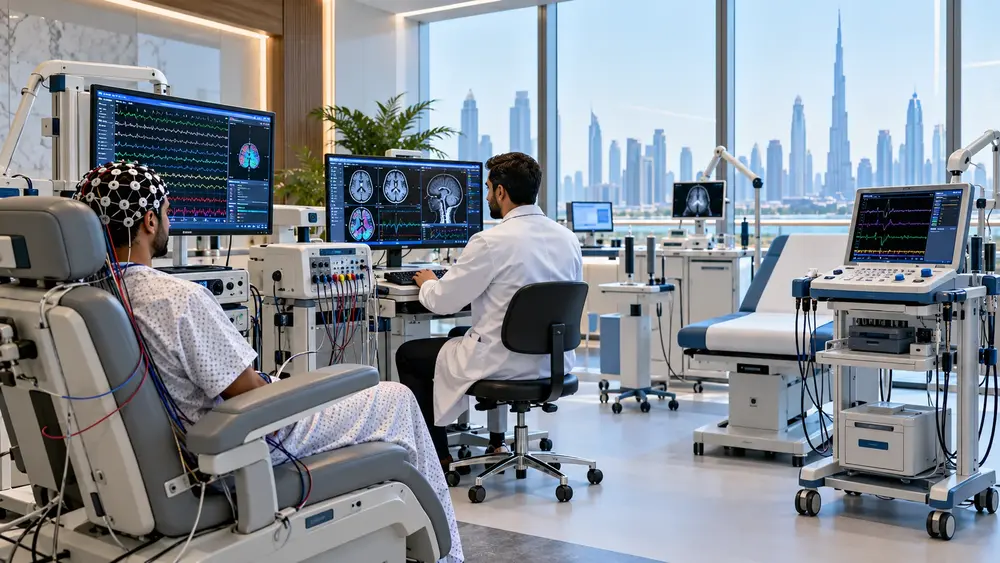
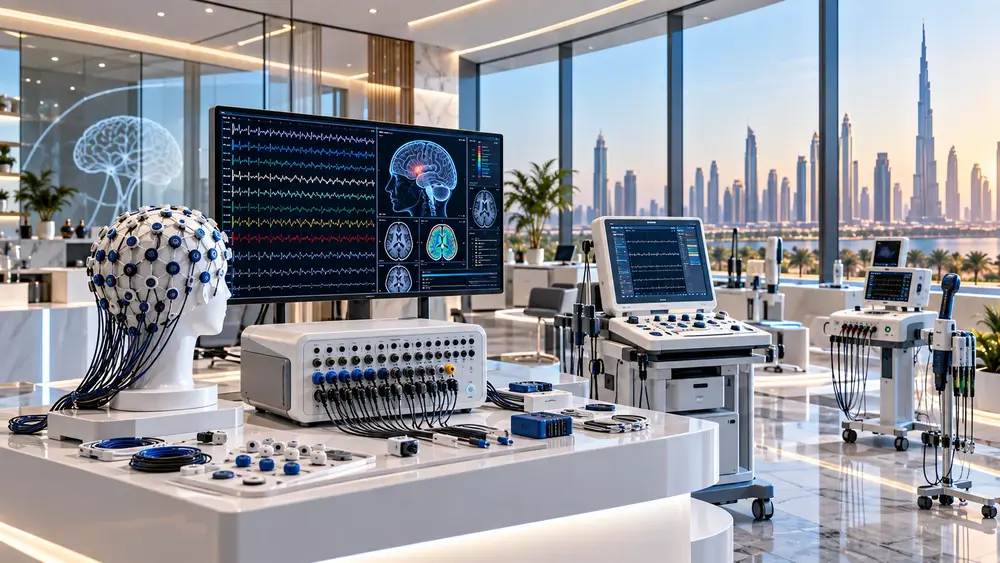
Electroencephalography (EEG) machines record the brain’s electrical activity and remain central to diagnosing epilepsy, seizure disorders, and certain sleep conditions. Modern digital EEG systems allow for long-term monitoring and easier remote review by specialists, which is particularly useful for hospitals with a limited number of on-site neurologists.
EMG and Nerve Conduction Study Equipment
Electromyography (EMG) and nerve conduction study systems assess how well nerves and muscles are communicating, helping diagnose conditions such as carpal tunnel syndrome, peripheral neuropathy, and various muscle disorders. This equipment is often one of the first investments a new neurology clinic makes, since it supports a wide range of common referrals.
Transcranial Doppler (TCD) Systems
TCD equipment measures blood flow velocity in the brain’s major arteries using ultrasound, offering a non-invasive way to monitor stroke risk and detect abnormal blood flow patterns. It has become a valuable tool for both diagnosis and ongoing monitoring in patients with known vascular risk factors.
Neurosurgical and Critical Care Equipment
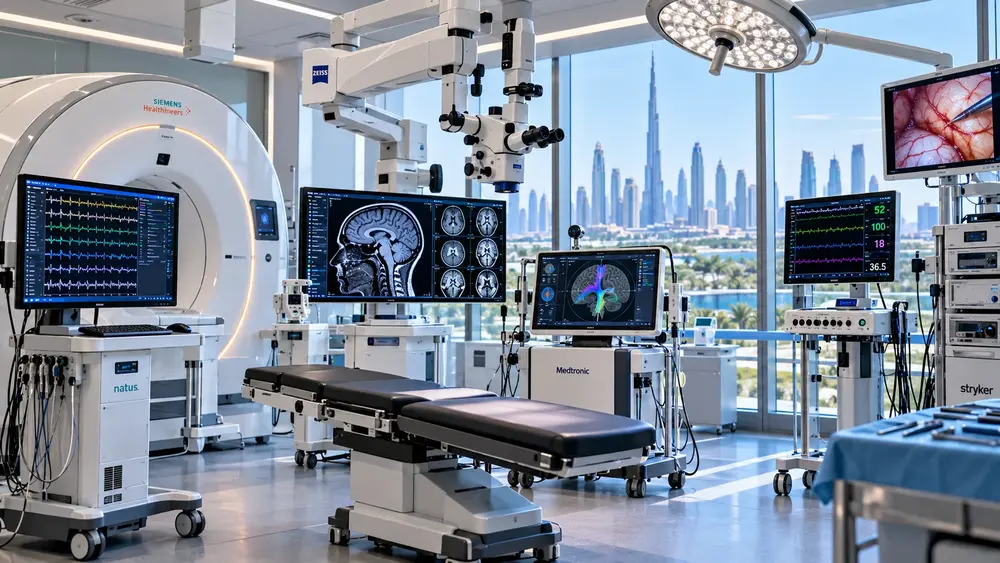
Hospitals offering neurosurgery need a further tier of specialized equipment, including neuro-navigation systems that help surgeons plan and guide procedures with millimeter precision, and intracranial pressure (ICP) monitors used in critical care to track pressure changes in patients with brain injuries or after surgery. This equipment demands rigorous staff training and ongoing calibration given its role in high-stakes procedures.
Building Equipment Around Stroke Care Pathways
Because stroke treatment is so time-sensitive, hospitals are increasingly designing their neurology equipment around a complete stroke pathway rather than buying devices in isolation. This means making sure EEG, TCD, and monitoring equipment can all be accessed quickly from the emergency department, and that data from each device reaches the treating neurologist without delay.
What to Look for in a Neurology Equipment Supplier
Neurology equipment requires precise calibration and specialist technical support, so hospitals should prioritize suppliers who offer proper installation, staff training on interpreting results, and a service team familiar with neurodiagnostic technology specifically, rather than general biomedical equipment alone.
Integrating Neurology Equipment With Existing Hospital Systems
Neurology equipment works best when it does not sit in isolation from the rest of a hospital’s clinical infrastructure. EEG recordings, TCD results, and monitoring data are all more useful when they can be pulled directly into a patient’s electronic health record, rather than reviewed on a standalone device and transcribed manually. Hospitals planning a new or expanded neurology service should ask suppliers early about integration options, since retrofitting connectivity after equipment is already installed is often far more disruptive than planning for it from the start.
Staffing and Equipment Investment Go Together
Even the most advanced neurology equipment delivers little value without neurologists, neurophysiologists, and trained technicians who can interpret its output correctly. Hospitals expanding their neurology capability should plan equipment purchases alongside staff recruitment and training, rather than buying equipment first and hoping the right expertise follows. A phased rollout — starting with core diagnostic tools and adding advanced systems as staffing grows — often works better than an all-at-once purchase.
Paramount UAE: Your Partner in Neurology Equipment UAE
Paramount UAE supplies a growing range of neurology equipment to hospitals and specialist clinics across the region, spanning diagnostic EEG and EMG systems, TCD monitoring equipment, and neurosurgical support tools. Their biomedical engineering team provides installation, calibration, and staff training, helping facilities build reliable neurology services as patient demand continues to grow.
Conclusion
Investing in the right Neurology Equipment UAE allows UAE hospitals to diagnose neurological conditions earlier and treat them more effectively, particularly in time-critical cases like stroke. From core diagnostic tools to advanced neurosurgical systems, building a well-equipped neurology department is becoming a priority for facilities across the country. Paramount UAE remains ready to support hospitals through every stage of that investment.