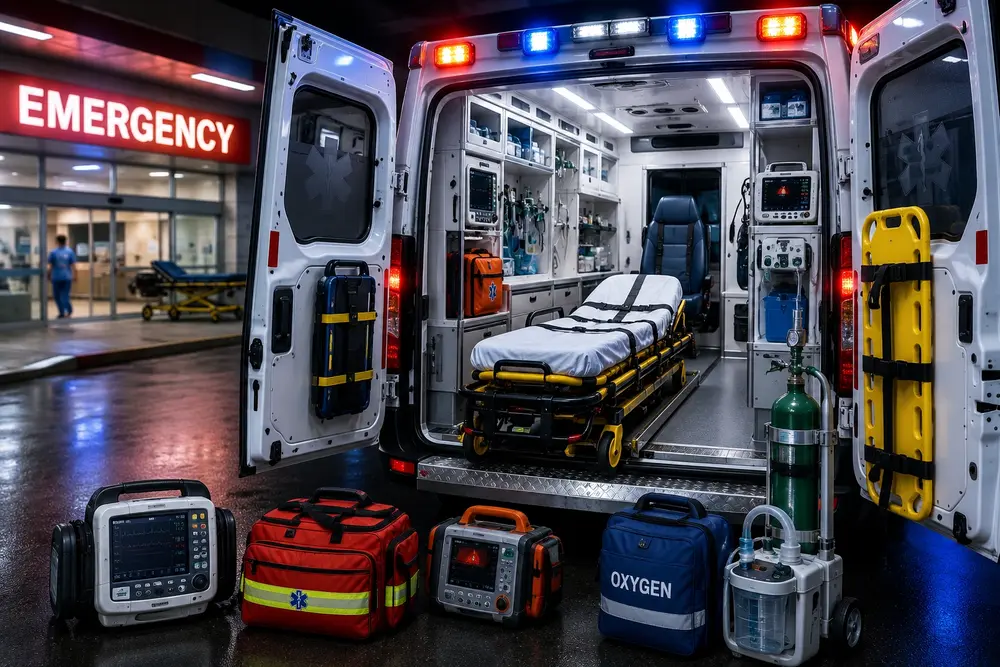
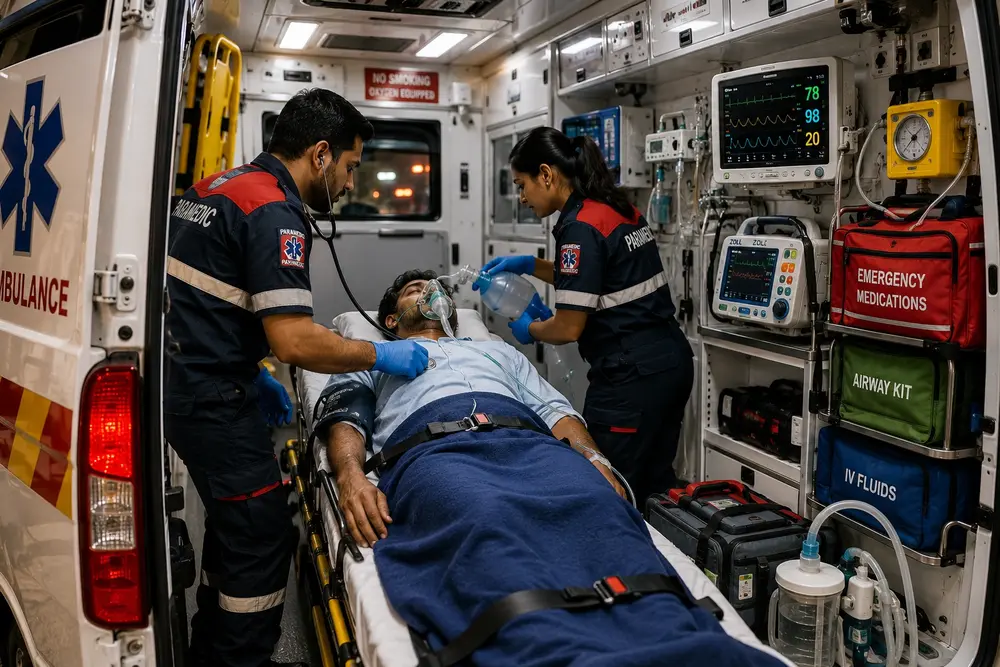
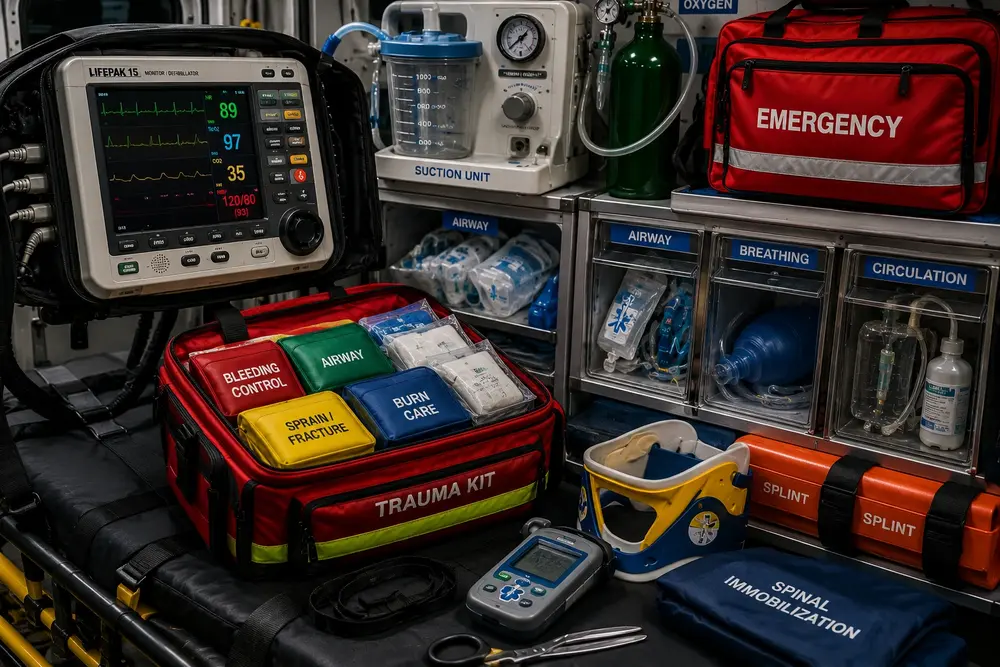
When every second counts, the quality of ambulance & emergency equipment UAEproviders rely on can be the difference between a good outcome and a tragic one. From roadside trauma response to inter-hospital transfers, ambulance crews and emergency departments across the UAE depend on equipment that works reliably under pressure, every single time. As the UAE continues to expand its emergency medical services network across all seven emirates, healthcare providers, ambulance operators, and hospital emergency departments need a clear understanding of what modern emergency equipment involves and how to keep it mission-ready.
Why Emergency Equipment Standards Matter So Much
Emergency situations do not allow for equipment failure. A defibrillator that will not charge, an oxygen unit that runs low mid-transport, or a stretcher that cannot be secured properly puts both patients and crew at risk. Because ambulance and emergency equipment is used in unpredictable, high-stress conditions — often outside a controlled clinical environment — it must be built tougher and maintained more rigorously than standard hospital equipment.
Categories of Ambulance and Emergency Equipment
Resuscitation and Cardiac Equipment
Defibrillators, automated external defibrillators (AEDs), and manual resuscitators are core to any emergency response. These devices must be checked before every shift and serviced on a strict schedule, since they are often used in life-or-death moments with no room for malfunction.
Airway and Ventilation Equipment
Portable ventilators, suction units, and airway management kits allow emergency teams to stabilize patients with breathing difficulties in the field or during transport. Reliability and ease of use under pressure are essential features for this category of ambulance & emergency equipment UAE crews rely on daily.
Patient Transport Equipment
Stretchers, spinal boards, scoop stretchers, and patient restraint systems must be durable, easy to clean, and quick to deploy. Ambulance interiors are compact, so equipment also needs to be designed for efficient storage and rapid access.
Monitoring and Diagnostic Equipment
Portable patient monitors, pulse oximeters, and blood glucose meters allow paramedics to assess a patient’s condition in real time and communicate accurate information to the receiving hospital before the patient even arrives.
Trauma and First Response Supplies
Wound dressings, splints, tourniquets, and trauma kits round out the essential equipment every ambulance and emergency department need readily accessible and properly stocked at all times.
Maintenance and Readiness: The Non-Negotiables
Unlike hospital equipment that stays in a controlled environment, ambulance equipment is exposed to heat, vibration, and constant handling. This makes a strict maintenance and readiness routine essential:
Daily equipment checks before every shift
Scheduled preventive maintenance and calibration
Clear protocols for restocking consumables after each call
Proper documentation for regulatory compliance and audits
Backup equipment available for immediate use during servicing
Choosing Equipment Built for UAE Conditions
The UAE’s extreme summer heat and humidity place additional stress on ambulance equipment, particularly batteries, electronic components, and consumable supplies. Equipment suppliers who understand these regional conditions can recommend devices and storage solutions specifically suited to the climate, helping reduce unexpected failures during the hottest months of the year.
Training Emergency Teams to Use Equipment Correctly
Even the most reliable ambulance and emergency equipment is only as effective as the team using it. Regular hands-on training ensures paramedics and emergency nurses can operate every device confidently under pressure, without wasting critical seconds figuring out an unfamiliar interface. Facilities should build refresher training into their regular schedule, particularly whenever new equipment models are introduced, and should encourage crews to practice with backup units so nobody is caught off guard during an actual emergency call.
Budgeting for a Fully Equipped Fleet
Equipping a single ambulance is only part of the picture — most UAE emergency services operate multiple vehicles that all need to carry a consistent, fully stocked equipment set. Facility managers should plan replacement cycles for consumables and ageing devices well in advance, rather than reacting after a shortage is discovered mid-shift. Standardizing equipment across a fleet also simplifies staff training and makes it easier to move crews between vehicles without a learning curve.
Paramount Medical Equipment Trading LLC: Equipping Emergency Responders Across the Region
Paramount Medical Equipment Trading LLC supplies a comprehensive range of ambulance and emergency equipment to hospitals, ambulance services, and emergency departments throughout the UAE. Their product range covers resuscitation, airway management, patient transport, and monitoring equipment, backed by a biomedical engineering team that supports installation, staff training, and the rigorous maintenance schedules emergency equipment demands.
Conclusion
Reliable ambulance and emergency equipment is the foundation of effective emergency medical care in the UAE. From resuscitation devices to patient transport systems, every piece of equipment must be ready to perform under pressure, every time it is needed. Healthcare providers who partner with an experienced supplier like Paramount Medical Equipment Trading LLC can be confident their emergency equipment is properly maintained, fully compliant, and ready to save lives when it matters most.