The Sultanate of Oman has rapidly developed its healthcare sector over the last two decades. As part of its Vision 2040 plan, Oman is also adopting innovative solutions to meet the rising needs of its citizens. One of the most significant developments of the last few decades is the integration of telemedicine into routine healthcare services. This digital revolution has been achieved through the growing accessibility and advancement of telemedicine devices, which today occupy a pivotal position in filling the healthcare gap, especially in distant and underserved areas. This blog examines how telemedicine devices are remodeling health care in the Sultanate of Oman, pointing out how they transform medical care and enhance access to quality care throughout the country.
Introduction: Adopting Digital Health in the Sultanate
The increased application of digital health technology is restructuring how countries provide healthcare. Oman, due to its geographically dispersed population and challenging terrain, stands to benefit significantly from telemedicine. The Ministry of Health in Oman has proactively encouraged telehealth services, especially during the COVID-19 pandemic, emphasizing remote consultation, monitoring, and diagnosis.
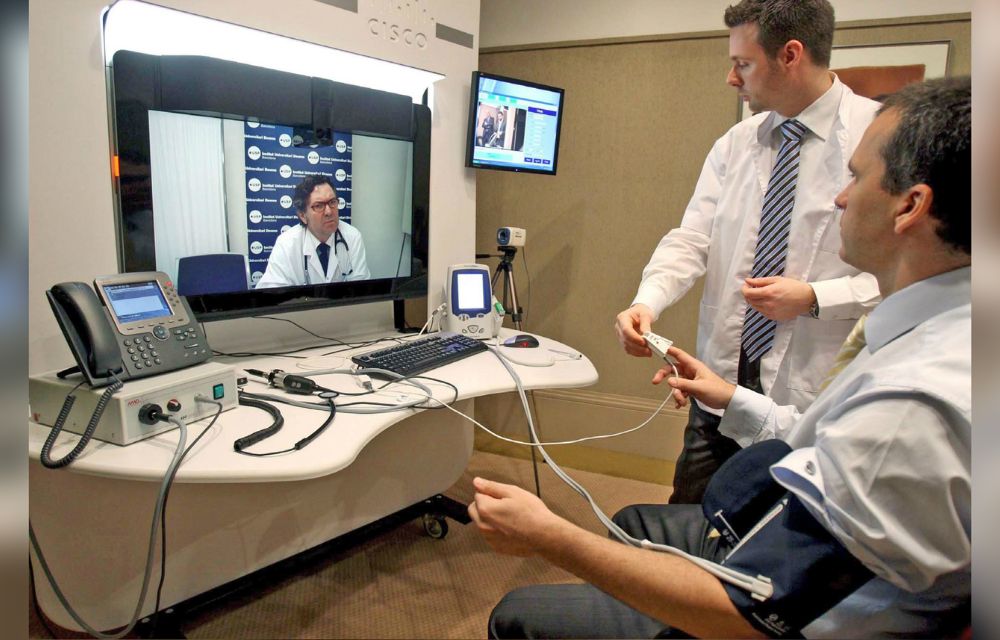
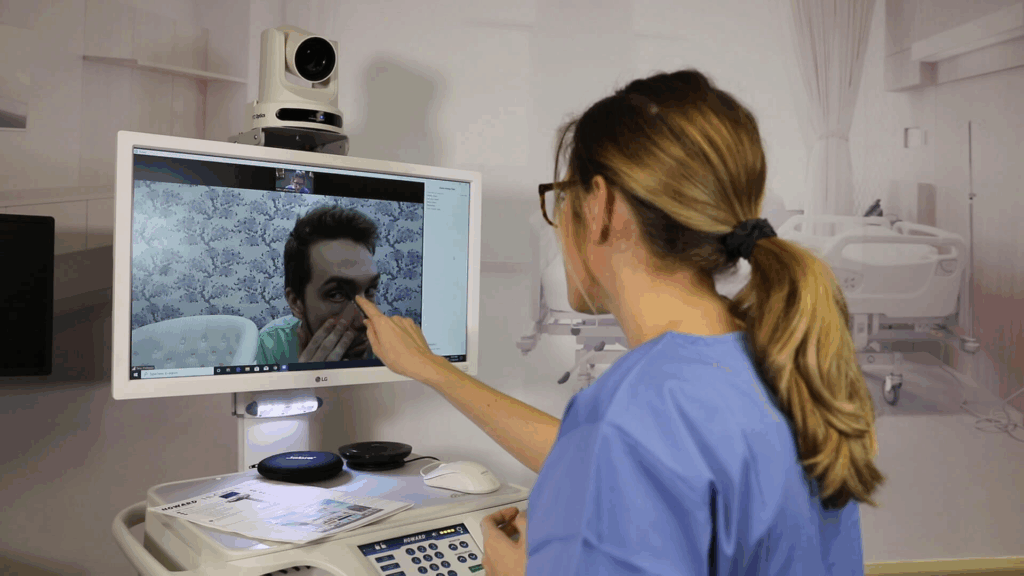
At the heart of this transformation is the increased utilization of advanced telemedicine technology such as remote monitoring tools, high-definition video conferencing gear, mobile health (mHealth) technology, and diagnostic imaging equipment. These technologies extend healthcare providers’ reach, reduce patient travel time, lower healthcare costs, and offer faster emergency response times.
Enhancing Access in Rural and Remote Communities
One of the most significant obstacles that Oman has always been unable to overcome is providing equal access to health care across its vast and often sparsely populated regions. Many citizens residing in the interior or mountainous areas have been forced to travel long distances to receive specialized health facilities.
Telemedicine equipment has flipped the script in that regard. With digital stethoscopes, remote ECG monitors, and ambulatory diagnosis units, patients can now access timely consultations without leaving their communities. It benefits chronic disease management, prenatal care, and surgical follow-ups. Telemedicine is thus not just convenient—it is part of the holistic care that every Omani should have.
Integration in the National Health System
The government of Oman has made valiant efforts in integrating telemedicine into the broader national healthcare system. Telehealth networks connecting primary practitioners with Muscat or other city-based specialists are being set up in hospitals and clinics. Integration helps simplify diagnosis, facilitate second opinions, and support ongoing medical education for rural healthcare practitioners.
For instance, most regional hospitals now employ tele dermatology, teleradiology, and telecardiology. This is possible with the high-tech medical equipment Oman suppliers currently offer—medical equipment that is international in quality but tailored to meet the needs of the country’s healthcare system.
Solving Specialist Shortages and Training Shortfalls
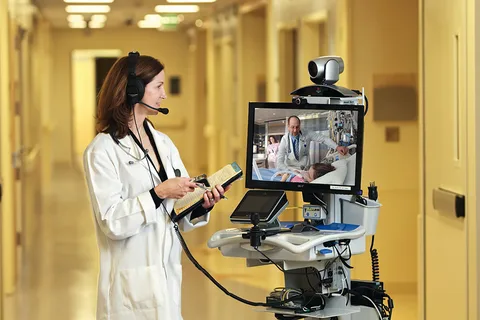
Like all developing nations, Oman also lacks highly qualified medical specialists in a few areas. Telemedicine offers an excellent solution by enabling remote consultation with foreign experts. Surgeons, pediatricians, cardiologists, and other specialists can review live cases, helping local doctors with complex diagnoses and treatment plans.
In addition, telemedicine equipment is also used for tele-education and virtual training sessions for healthcare workers. Such upgrading is needed to keep the healthcare workforce skilled, especially as medical technology advances rapidly. The prospect of accessing global medical knowledge without the need to go abroad empowers the healthcare workforce and ultimately results in improved patient outcomes.
Addressing Public Health Crises
The pandemic of COVID-19 was an eye-opener for the healthcare system in most parts of the world, including Oman. Telemedicine became the primary source of non-emergency consultations during lockdowns and periods of restricted mobility. Hospitals and clinics already fitted with telemedicine could continue serving their patients effectively.
Wearable monitoring of vital signs and remote diagnostic kits allowed physicians to remotely monitor patient vitals, minimizing hospital visits and exposure risk. The pandemic experience has solidified healthcare digital readiness, with hospitals investing more in robust telemedicine infrastructure and specialized medical devices Oman healthcare providers can provide.
Economic and Operational Efficiency
From an administrative perspective, telemedicine enjoys considerable benefits in terms of efficiency as well. Cloud-based diagnostic systems, electronic health records, and artificial intelligence decision systems enable quicker diagnosis and easier patient management.
Telemedicine shortens waiting times, eliminates unnecessary referrals, and decreases operational expenses such as hospital stays and follow-up appointments. As telemedicine endeavors to make the public health system more sustainable, the model of care is scalable and cost-effective.
Also, with additional local and international suppliers providing medical equipment Oman can rely on, clinics and hospitals are guaranteed to use the most advanced technologies without the logistics challenges of foreign sourcing.
The Road Ahead: Challenges and Opportunities
While the role of telemedicine technology in revolutionizing healthcare in Oman is assured, a couple of issues remain that must be addressed. Delivering stable internet connectivity throughout all regions, training healthcare specialists on interacting with telemedicine software, maintaining data privacy, and guaranteeing system interoperability are key steps forward.
But the opportunities outweigh the challenges. With sustained government support, strategic partnerships with global health tech companies, and investment in new hospital facilities, Oman is poised to rule the Gulf in digital health innovation.
Conclusion: A Digital Revolution for Health and Well-being
The role of telemedicine technology in the healthcare revolution in Oman is part of a broader trend toward more innovative, patient-centered, and inclusive care. With origins humble as a reaction to geographical and logistical needs, the telemedicine phenomenon has exploded as a national health innovation strategy. Telemedicine is no fad nor convenience but a revolutionary phenomenon reshaping the provision, perception, and control of healthcare in the Sultanate.
With the increasing need for quality, equitable, and affordable health care, access to sophisticated medical equipment Oman depends on will be pivotal in sustaining this digital medical revolution. The Oman healthcare future is digital, interconnected, and bright.