Modern veterinary care has evolved far beyond basic checkups & emergency treatments. Today, clinics & hospitals around the world rely on sophisticated tools & technologies to diagnose, treat, & monitor animals with precision & compassion. From digital imaging to surgical instruments, advanced equipment plays a central role in improving both diagnostic accuracy & treatment outcomes. Understanding how this equipment supports veterinarians can shed light on why technology is at the heart of quality animal care.
1. Enhancing Diagnostics with Technology
Accurate diagnosis is the foundation of effective veterinary care. Advanced imaging & diagnostic equipment help veterinarians visualize internal organs, bones, and tissues in ways once impossible.
Some key diagnostic technologies include:
- Digital Radiography (X-rays): Produces high-quality images instantly, allowing vets to detect fractures, tumors, or foreign objects quickly.
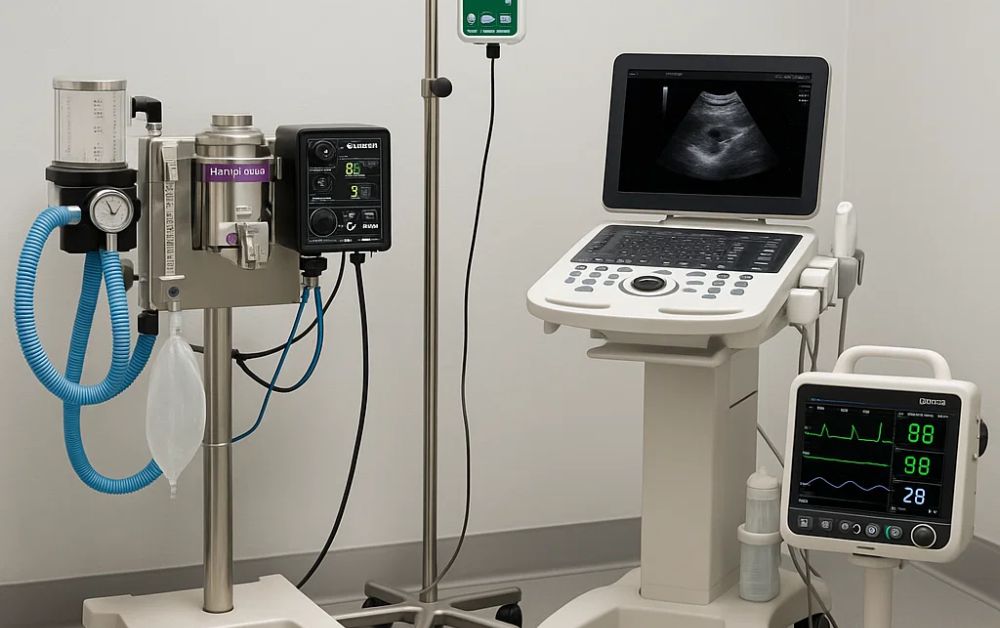
- Ultrasound machines help assess soft tissues such as the heart, liver, and kidneys, and are particularly useful for pregnancy checks in animals.
- Endoscopy Systems: Enable internal visualization without major surgery, helping diagnose gastrointestinal, respiratory, or urinary conditions.
- In-House Laboratory Analyzers: Provide rapid results for blood, urine, and tissue samples, speeding up diagnosis and treatment planning.
With these technologies, veterinarians can pinpoint health issues earlier and reduce the need for invasive procedures. This not only shortens recovery times but also minimizes animal stress and discomfort.
2. The Importance of Surgical Precision
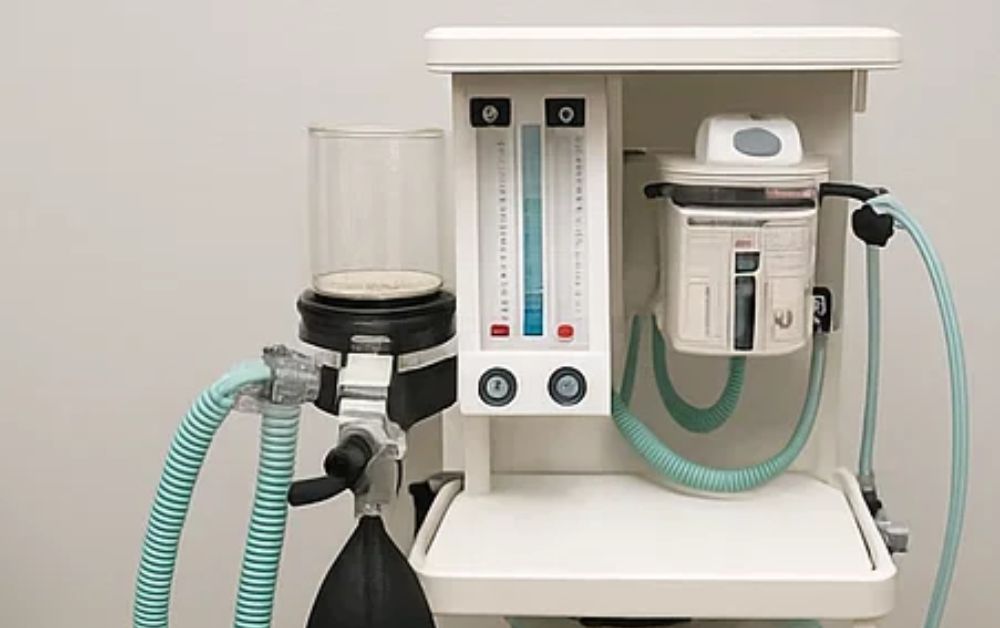
Surgery is another area where technology has dramatically improved outcomes. Modern animal operating rooms now resemble those in human hospitals. Advanced anesthesia machines, surgical tables, & monitoring systems ensure that procedures are performed safely & effectively.
Key advancements include:
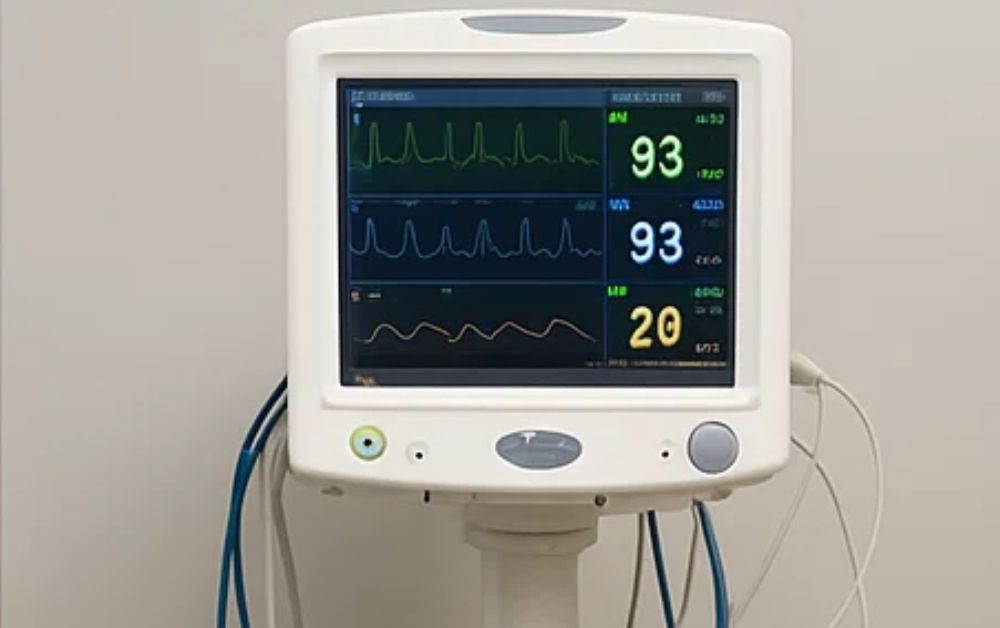
- Anesthesia Monitoring Systems: Monitor heart rate, oxygen levels, and temperature during surgery and recovery to keep animals stable.
- Laser Surgery Instruments: Will cut cleaner, bleed less, & yield faster recovery on average than traditional scalpels.
- Electrosurgical Units: Provide accurate tissue cutting and coagulation, reducing injury in surgical procedures.
Together, they enable complex surgeries — from orthopedic repairs to tumor removals — with more precision and less risk.
3. Advancing Animal Rehabilitation and Postoperative Care
Recovery is just as important as treatment. Advanced veterinary facilities use rehabilitation equipment to help animals regain mobility and strength after surgery or injury.
Some commonly used rehabilitation tools include:
- Underwater Treadmills: Provide low-impact exercise for animals recovering from joint or muscle injuries.
- Laser Therapy Devices: Stimulate healing & reduce inflammation in injured tissues.
- Therapeutic Ultrasound: Boosts blood flow & tissue repair, especially in chronic pain or arthritis cases.
Postoperative monitoring systems also play a central role, allowing vets to remotely track temperature, heart rate, & respiratory patterns. This ensures early intervention if complications arise.
4. Improving Preventive Care
Prophylaxis is the key to maintaining animal health for many years. Routine screening tests, immunizations, & wellness check-ups can help prevent these risks from becoming serious. With today’s veterinary medical equipment, prevention has become a lot more effective and – often – simpler.
For example, handheld diagnostic imaging devices and on-site lab analyzers enable veterinarians to perform health screenings in the field. Inexpensive dental tools can now be automated — so can microchip scanners and blood analyzers — enhancing routine care.
These advances are also essential to safeguard the health of pets and livestock and to protect public health by helping limit zoonotic diseases — those that can be passed from animals to humans.
5. Technology in emergency and critical care.
When there’s an emergency, you can’t wait. Advanced medical technology can save lives in life-or-death situations. Veterinary hospitals that have emergency power, real-time monitoring systems, defibrillators, and oxygen therapy will be better equipped to manage trauma, poisoning, or just a cardiac event.
Access to digital records and telemedicine platforms has facilitated greater collaboration between veterinary specialists. Remote Consultations, Digital Image Transfers, and Virtual Diagnostics mean animals can be expertly and rapidly supported from anywhere in the world.
This co-release strategy is expected to lead to faster response times, fewer medication errors, and better treatment outcomes.
6. Sustainability and the Future of Veterinary Technology
As veterinary medicine evolves, sustainability is increasingly attracting attention. The company, he said, is manufacturing green & energy-efficient products that leave as little waste and cost behind as possible. The use of digital systems, for instance, has replaced conventional X-ray films and chemical processing, thereby reducing environmental impact.
And then there are data-driven diagnostic technologies, such as artificial intelligence and machine learning, that are seeping into veterinary diagnostics. With these systems, imaging studies can be read and provide insight into abnormal findings or even forecast disease patterns based on historical data. This will further improve diagnostic precision by enabling veterinarians to deliver tailored care for each animal.
In Conclusion
Advanced veterinary medical equipment is reshaping the way animal care is delivered. It bridges the gap between science & compassion, allowing veterinarians to diagnose earlier, treat smarter, & care deeper. From preventive medicine to surgical innovation and rehabilitation, technology ensures that animals receive the same level of medical excellence we expect for ourselves.
For clinics and hospitals looking to upgrade their facilities with reliable, high-quality veterinary solutions, Paramount Medical Equipment Trading LLC offers trusted expertise & a comprehensive range of products designed to support modern animal healthcare.