When setting up or upgrading a medical facility, one of the most critical decisions is selecting the right supplier for your healthcare infrastructure. Choosing the right health equipment company is not just about purchasing machines and tools—it’s about building a long-term partnership that supports quality care, efficiency, and compliance. Whether you are a hospital administrator, clinic manager, or health entrepreneur, it is crucial to get hold of trustworthy health equipment companies to help ensure your facility runs at the highest level. This blog will walk you through the most essential considerations in making this significant decision.
1. Evaluate Your Facility’s Requirements
Before contacting any health equipment providers, start with a proper assessment of your facility’s needs. Are you setting up a general clinic, a diagnostic center, a specialty department (like cardiology or orthopedics), or a complete hospital? Depending on your services, your equipment needs will vary.
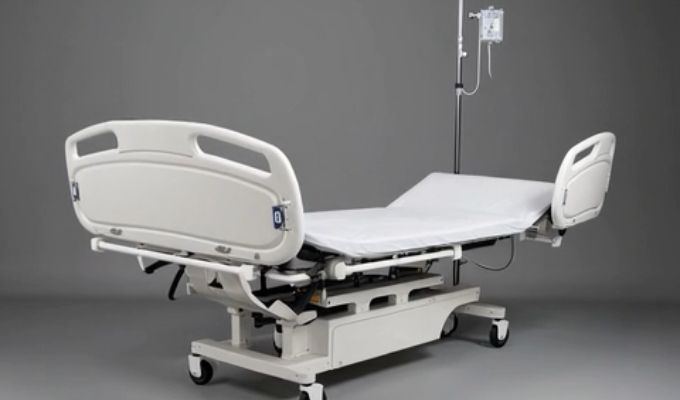
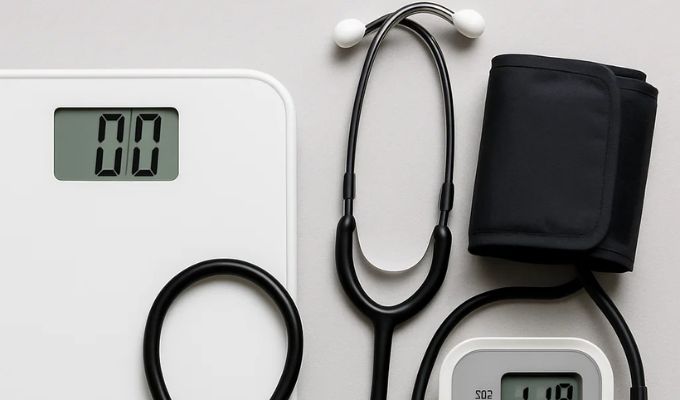
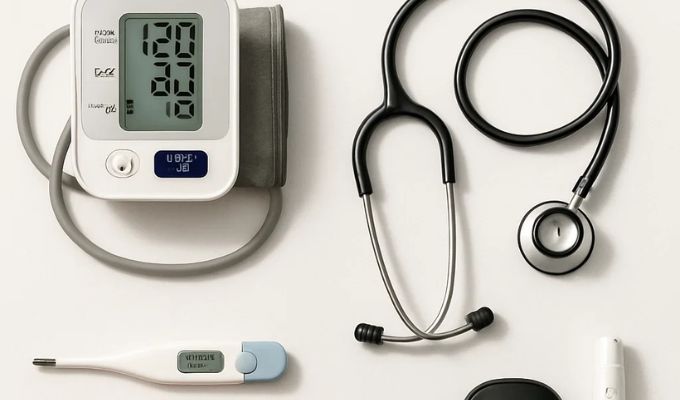
Create a list of the equipment types needed: diagnostic equipment, surgical equipment, hospital beds, imaging equipment, sterilization equipment, or physiotherapy equipment. Also, remember the patient capacity of your facility. This enables you to locate suppliers handling your needs and supply level.
2. Look for a Complete Product Range
A well-equipped health equipment company must have a wide range of products under one roof. This saves time, facilitates procurement, and ensures service and after-sales support consistency. Leading health equipment companies usually stock or source everything from general consumables to high-end medical imaging devices.
Check if the company deals in:
- Diagnostic and laboratory equipment
- Patient monitoring systems
- Surgical instruments and tools
- Rehabilitation and physiotherapy equipment
- Hospital furniture and sanitation products
- IT and software solutions for health systems
The more extensive the catalog, the better the chance the company can grow with you as your facility grows.
3. Verify Certifications and Compliance
The healthcare sector is strictly regulated, and your equipment must comply with national and international safety and performance standards. Reputable health equipment companies see that their products have the proper certifications like ISO, CE, FDA approval, or BIS certification, depending on where you are.
Ask for documentation and compliance records before making any purchase. The right company will be transparent and proactive in sharing this information. Uncertified equipment would result in legal problems, patient injury, or business closures.
4. Look at the Company’s Reputation and Experience
Relevant experience in the medical equipment business counts. An organization operating for years is more likely to be familiar with the special challenges of healthcare operations and provide customized solutions. Research the company’s history, client base, and industry affiliations.
Check for reviews, testimonials, or case studies on their website. Or better still, ask for references from previous or current clients. Top health equipment companies will not shy away from marketing their success stories. Their reputation among the medical fraternity is generally an accurate indicator of their product quality and after-sales service.
5. Review After-Sales Support and Service Agreements
Purchasing health equipment is just the beginning. Maintenance, calibration, and certain repairs are all part of its lifecycle. Quality after-sales support will keep your devices running and compliant for years.
Ask the following questions:
- Do they offer installation and training?
- Is 24/7 technical support available?
- What is the turnaround time for repair or part replacement?
- Are service contracts and annual maintenance agreements offered?
Reliable medical equipment vendors offer complete lifecycle support, including warranties, service packs, and spare part availability.
6. Consider Pricing and Funding Options
Medical equipment is a significant expense. Although price shouldn’t be the determining factor, it is a key consideration, particularly for newer or smaller facilities. Shop among various suppliers and determine what’s included in the quoted prices—some companies will throw in training, installation, or more extended warranties at no additional charge.
In addition, look for companies that offer flexible financing, leasing, or installment payment options. Large health equipment companies typically have relationships with finance companies to provide funding support, making it easier for you to buy the best technology without stretching your budget.
7. Evaluate Technology and Innovation
The healthcare industry is rapidly evolving, and your medical equipment vendor should be ahead of the curve. Choose a company that embraces innovation and offers the latest technologies—AI-driven diagnostics, wireless patient monitoring, digital imaging, and data integration systems.
A technologically current supplier will not only future-proof your facility but also improve patient outcomes and operational efficiency. Look for health equipment companies allied with international brands or have R&D efforts.
8. Confirm Logistics, Delivery, and Installation Timeframes
Equipment delivery or installation delays will postpone your facility’s opening or disrupt operations. A company with good logistics, local storage, and experienced installation teams is a sign of professionalism.
Ask:
- How long is delivery after order confirmation?
- Is installation offered?
- Can they meet your project deadlines?
Those firms with a local or regional presence offer faster turnaround and personal service.
9. Evaluate Their Communication and Customer Service
Good, prompt, and clear communication is the sign of a solid partner. Even from the inquiry stage, note how promptly the company responds to you. Do they offer a dedicated account manager? Do they follow up actively?
Health equipment companies that are customer-centric take the time to build a good rapport and are available when you need guidance or support.
Conclusion
Choosing the right health equipment company for your facility is a strategic decision beyond price. It’s about aligning with someone who understands your healthcare goals, provides first-rate products, has reliable support, and helps you deliver the best care possible.
Every step matter, from understanding your needs and verifying certifications to ensuring after-sales support and technological innovation. By investing time in choosing the right partner, you’re not just purchasing equipment but laying the foundation for excellence in healthcare delivery. Choose wisely, and you’ll find a health equipment company that grows with you, supports your mission, and empowers your facility for years.