In recent years, the healthcare landscape has witnessed a remarkable transformation with the advent of telehealth technologies. Among these innovations, Patient Monitoring Systems have emerged as a cornerstone in the realm of remote care. This revolution is reshaping the way healthcare is delivered, making it more accessible, efficient, and patient-centric.
The Rise of Telehealth: A Paradigm Shift in Healthcare
Telehealth, the use of technology to deliver healthcare services remotely, has become a game-changer, especially in the wake of global events that highlighted the need for alternative healthcare delivery models. Patient monitoring systems, in particular, have played a pivotal role in extending the reach of healthcare beyond traditional clinical settings.
Continuous Remote Monitoring: Enhancing Patient Care
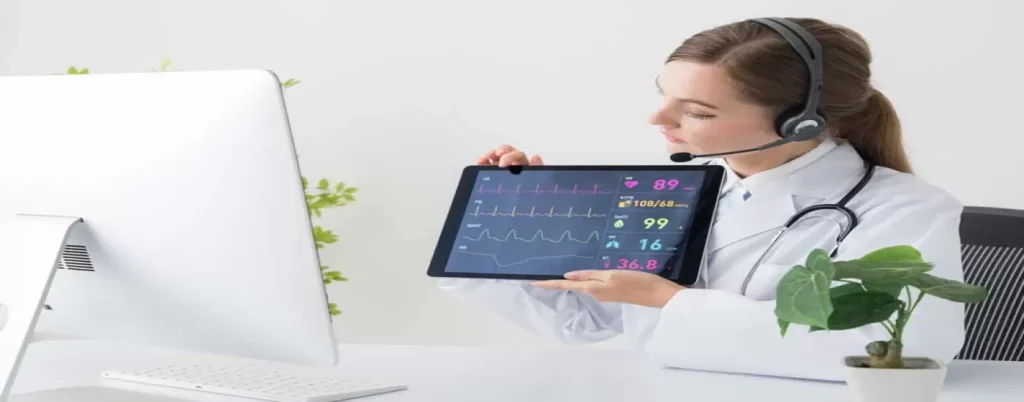
One of the key contributions of patient monitoring systems is the ability to provide continuous and real-time data about a patient’s vital signs, chronic conditions, and overall health status. Wearable devices, sensors, and connected health platforms enable healthcare providers to remotely monitor patients, allowing for early detection of potential issues and timely interventions.
Empowering Patients Through Data Access
Patient empowerment is a crucial aspect of modern healthcare, and patient monitoring systems contribute significantly to this empowerment. By giving patients access to their own health data, these systems enable individuals to actively participate in their care management. Patients can track their progress, adhere to treatment plans, and make informed decisions about their health with the guidance of healthcare professionals.
Improved Outcomes and Cost Savings
The implementation of patient monitoring systems in telehealth has demonstrated positive outcomes and cost savings. Early identification of health deterioration can lead to prompt interventions, reducing hospital admissions and emergency room visits. Additionally, remote monitoring minimizes the need for frequent in-person appointments, saving both time and resources for patients and healthcare providers alike.
Challenges and Opportunities in Telehealth Expansion
While the telehealth revolution brings about numerous benefits, it is not without its challenges. Issues such as data security, interoperability, and regulatory frameworks need to be addressed to ensure the widespread adoption of patient monitoring systems. However, these challenges present opportunities for innovation, collaboration, and the development of robust solutions that will further enhance remote care.
In Conclusion
The telehealth revolution, propelled by patient monitoring systems, marks a significant milestone in healthcare. This paradigm shifts not only enhances patient care through continuous monitoring but also fosters a more engaged and empowered patient population. As we navigate the ever-evolving landscape of remote care, Paramount stands out as a beacon of innovation and commitment, paving the way for a healthier and more connected future.