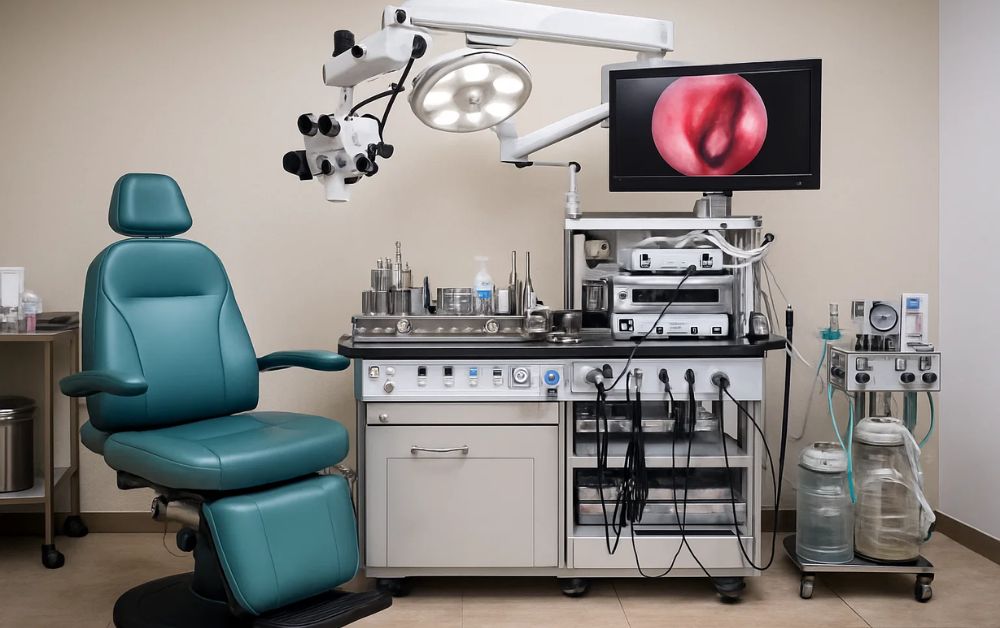
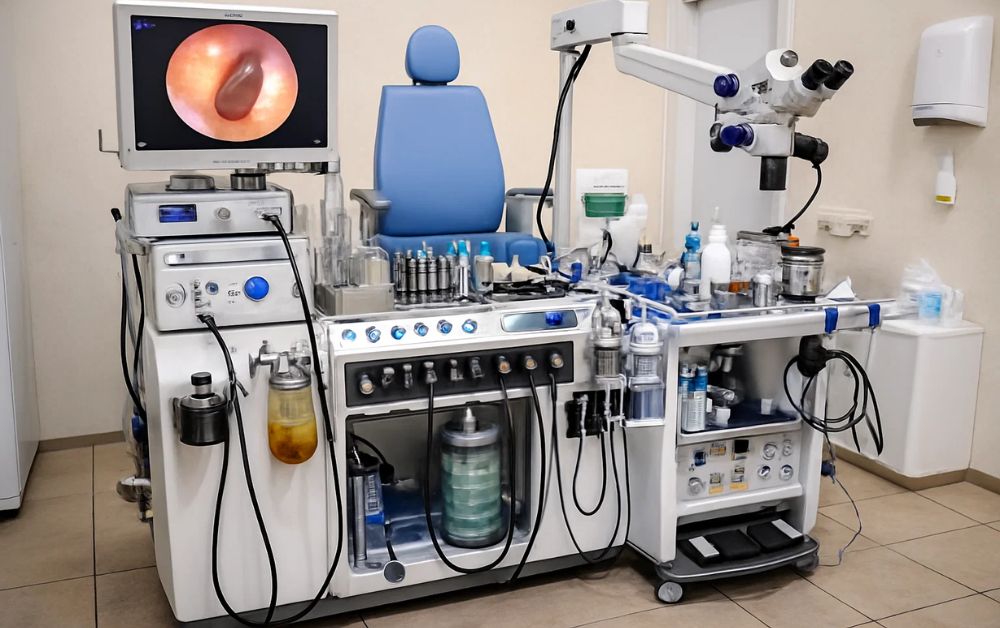
When it comes to ENT (Ear, Nose, and Throat) equipment, making sure it’s safe is non-negotiable. In clinics and hospitals across Dubai, this equipment is used in some pretty delicate procedures, and any failure could harm patients or disrupt the workflow. As a clinic owner or manager, it’s essential to ensure your ENT equipment in UAE Dubai meets the highest standards. Let’s talk about the key safety aspects your equipment should meet to keep your patients safe and your clinic running smoothly.
Why Safety Standards Are a Big Deal
ENT equipment isn’t just about technology—it’s about keeping patients and staff safe while ensuring everything works properly. If your equipment doesn’t meet safety standards, there’s a risk of:
- Patient Safety Issues: Malfunctioning or outdated equipment can cause infections, injuries, or misdiagnoses.
- Staff Protection: If equipment is not safe, your team could be at risk of injury or exposure to harmful substances.
- Regulatory Problems: If your clinic does not meet safety requirements, you could face fines or even lose your license.
- Operational Problems: Faulty equipment is more prone to breaking down, leading to delays and disruptions in patient care.
So, it’s clear that keeping your ENT equipment safe and up-to-date isn’t just about compliance—it’s about providing the best care and running a smooth operation.
Key Safety Standards Your ENT Equipment Should Meet
Let’s break it down. Here are the major safety standards that should apply to your ENT equipment in Dubai:
1. Electrical and Mechanical Safety
Most ENT tools have electrical components, from diagnostic instruments to surgical tools. The equipment should meet the IEC 60601 standard, which ensures electrical safety. This includes things like proper insulation & grounding to prevent shocks. On the mechanical side, equipment such as handpieces & suction tools should be durable enough to avoid accidents or malfunctions during use.
2. Infection Control and Sterilization
In ENT, hygiene is everything. The equipment is often in direct contact with bodily fluids, so it has to be easy to clean & sterilize. Verify compliance with ISO 17665 to ensure the tools can be properly sterilized. Plus, any disposable components (such as ear tubes or mouthguards) must meet the required standards to prevent cross-contamination.
3. Radiological Safety (If Applicable)
Some ENT equipment, such as X-ray machines and imaging tools, may involve radiation. These devices must comply with the Federal Authority for Nuclear Regulation (FANR) guidelines to protect both patients & staff. Regular calibration, proper shielding, and controlled exposure levels are critical to minimize radiation risks.
4. Ergonomics and Ease of Use
Comfort and ease of use are essential for both staff & patients. Equipment should be ergonomic, meaning it’s designed to minimize strain on healthcare workers during lengthy procedures. Adjustable arms, lightweight instruments, and intuitive controls can make a vast difference in preventing injury and improving efficiency in the clinic.
5. Quality Certifications
Make sure your ENT equipment is certified by recognized standards such as CE marking, ISO 13485, or FDA approval. These labels show that the equipment has been tested & meets the necessary safety & performance standards. It’s a good way to ensure you’re getting quality, reliable tools.
6. Regular Maintenance and Calibration
Even the best equipment needs regular check-ups. That means keeping up with maintenance and calibration to ensure it stays in top condition. By following the manufacturer’s guidelines for inspections and testing, you can prevent issues & keep everything running smoothly.
7. Environmental and Waste Management
Finally, do not forget about environmental safety. ENT equipment often includes disposable items, such as batteries and plastic components, that must be disposed of properly. Ensure your clinic complies with the UAE’s environmental regulations to ensure the safe disposal of hazardous materials and medical waste. This is also a key part of keeping your clinic sustainable.
In Conclusion
Ensuring that your ENT equipment meets all the necessary safety standards in Dubai isn’t just about avoiding penalties—it is about keeping your patients safe and your clinic running smoothly. By focusing on electrical & mechanical safety, infection control, ergonomic design, and environmental compliance, you’ll set your clinic up for long-term success. Plus, when you ensure your equipment meets the highest standards, it builds trust with your patients and shows them you’re committed to quality care.
Suppose you’re looking for reliable, high-quality ENT equipment. In that case, Paramount Medical Equipment Trading LLC offers a range of solutions that meet all the necessary safety standards, along with expert support to keep everything running smoothly.