Introduction
The veterinary industry has developed by leaps and bounds in the past few decades, and technology has been at the forefront of bringing better care for animals. Pet owners and even cattle farmers now expect the same diagnostic accuracy and treatment available for human beings. And here is where veterinary medical equipment comes into the picture. From diagnostic imaging systems to surgery equipment, modern veterinary practice relies heavily on advanced equipment to ensure the wellbeing of animals. This blog will examine the importance of investing in high-tech veterinary medical equipment and how it benefits veterinary professionals, pet owners, and, most of all, the animals themselves.
Increase in Diagnostic Accuracy
One of the most significant benefits of high-tech veterinary medical equipment is increased diagnostic accuracy. Proper and timely diagnosis can mean life or death for an animal. Equipment such as digital X-rays, ultrasound machines, CT scanners, and MRI machines allow veterinarians to visualize inside an animal’s body without surgery. They can detect fractures, tumors, internal hemorrhage, and other abnormalities quickly and accurately.
Modern diagnostic equipment saves time for analysis and improves the veterinarian’s planning of appropriate treatments. For example, blood analyzers and biochemistry equipment can detect infections or diseases before they occur, giving veterinarians an early start in addressing the condition. With innovative veterinary medical equipment such as this, practice can offer more positive outcomes and standards of care.
Improving Treatment and Surgical Procedures
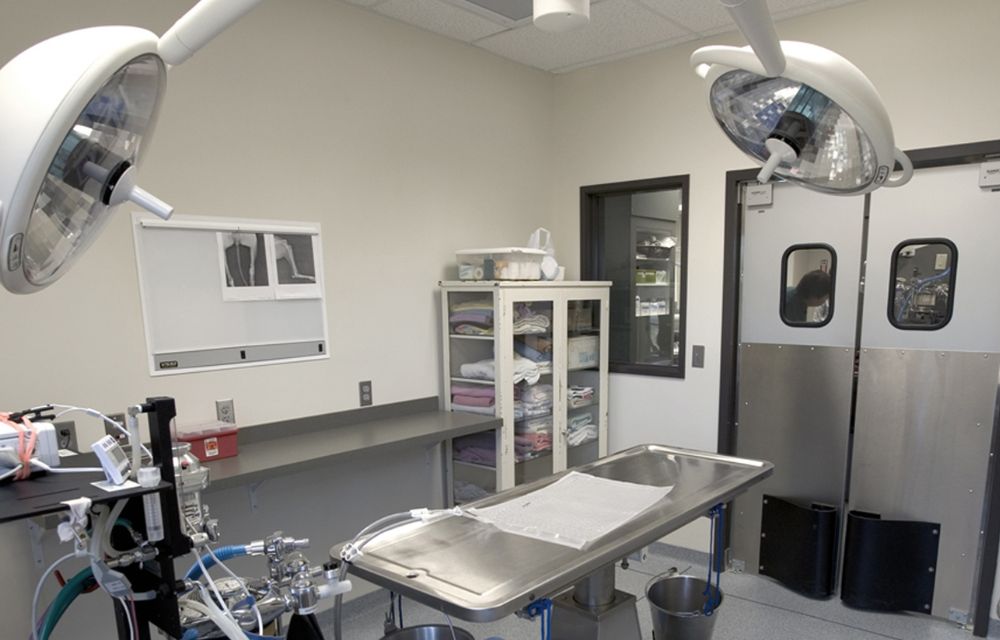
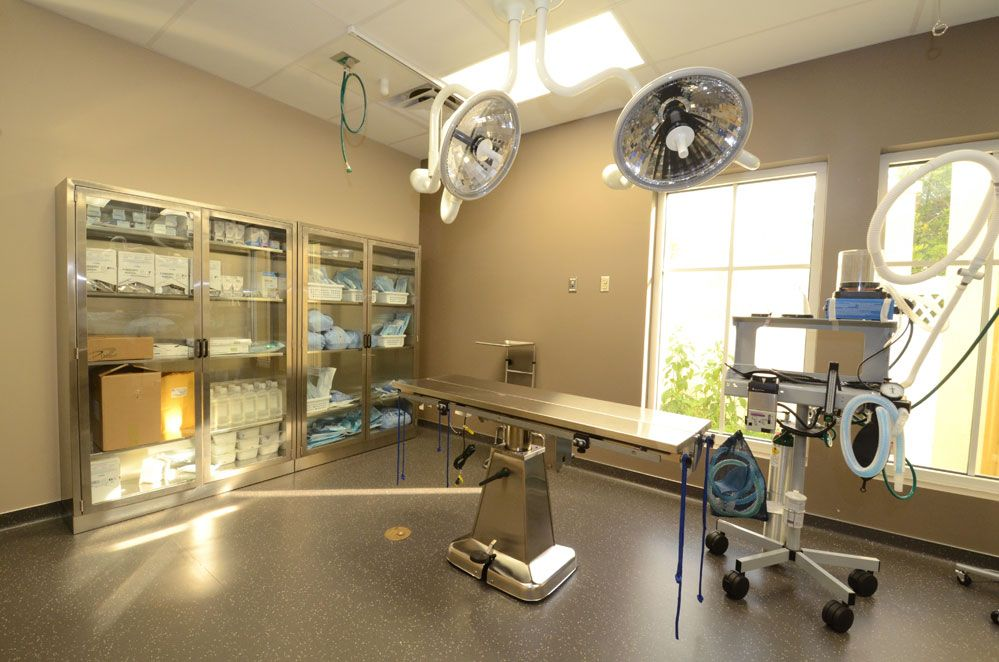
High-technology veterinary medical devices also have a significant role in the healing process. Modern surgical devices, anesthesia machines, and patient monitoring devices enable vets to perform complex surgeries with increased precision and safety. Laparoscopic devices, for example, allow the possibility of minimally invasive surgery, less pain, and quicker recovery for animals.
Infusion pumps and laser therapy units also assist with post-operative care and pain management. Advanced dentistry suites, orthopedic units, and rehabilitation devices also increase the range of what can be handled in a veterinary clinic. Investing in this level of equipment ensures that a clinic can handle a wide range of cases, increasing its reputation and success rate.
Offering Improved Monitoring and Patient Care
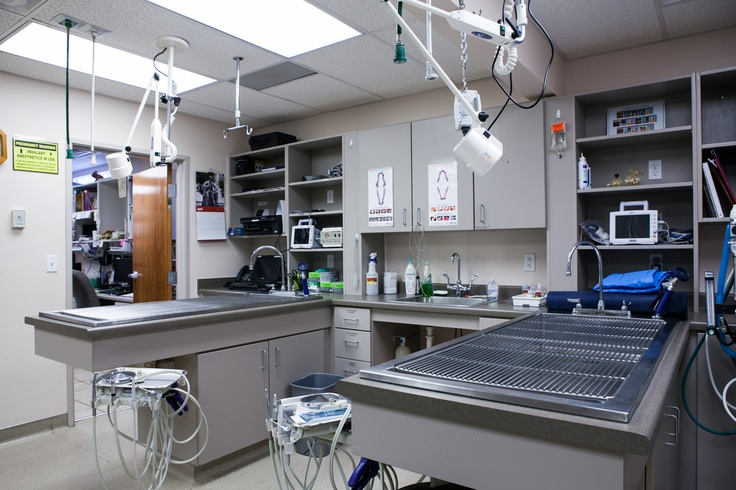
Real-time monitoring is essential for critical and routine procedures. Patient monitoring systems track parameters such as heart rate, respiration, oxygen in the blood, and body temperature in real-time. This is especially important while performing surgery or managing chronic disease conditions. The monitoring equipment that is an essential part of veterinary medical instruments allows veterinarians to act quickly and make sound judgments when the status of an animal suddenly turns critical.
All of this gear also enhances post-treatment care. For instance, recovering post-op animals can be kept under continuous observation using ICU-grade monitors, detecting complications early. The availability of such intensive care gives pet owners peace of mind and testifies to the quality that a clinic aims to uphold.
Increasing Efficiency and Workflow
Another compelling justification for investing in advanced veterinary medical technology is improved clinic workflow and efficiency. Electronic technology allows information to be processed faster, gives results more rapidly, and provides better departmental coordination. For example, record systems stored in the cloud and connected to diagnostic machines can automatically transfer test results into a file for a patient, reducing the level of hand entry and related errors.
Time-effective technology enables a greater number of patients to be treated daily without loss of quality. It particularly benefits high-volume city practices or animal hospitals that handle an enormous caseload. Moreover, streamlined processes increase client satisfaction because pet owners appreciate on-time and accurate service.
Building Client Trust and Reputation
Veterinary clinics ready to invest in advanced equipment usually hold a good position in the market. Customers are willing to trust a clinic that can accommodate a variety of medical conditions. Possessing advanced veterinary medical equipment conveys professionalism, competency, and commitment to providing high-quality animal health care.
Furthermore, owners of pets gain more information regarding the technologies in animal medicine. They are inclined to conduct research and seek clinics capable of offering advanced diagnostic and treatment procedures. A modern clinic can gain more patients, retain them in the long term, and gain a positive image in society.
Economic Benefits for Veterinary Practices
Although the initial investment in advanced veterinary medical equipment is expensive, the long-term financial benefits generally justify it. Enhanced capabilities allow clinics to provide more services, attract new patients, and handle more cases effectively. This translates to more revenue and business growth.
Further, much modern equipment is made to be low-maintenance and robust with reasonable returns on investment. Manufacturer incentives, leasing agreements, and finance deals also ease the burden from the financial side, enabling even smaller clinics to upgrade their equipment gradually.
Compliance with Regulatory and Ethical Requirements
Increased regulation in the veterinary industry translates to the need to meet hygiene, safety, and operation standards. Much high-technology veterinary medical equipment often has features that comply with or exceed such standards. Self-sterilizing devices, precision dosage calculators, and durable anesthesia monitors ensure clinics stick to best practices, thus avoiding legal trouble and the safety of the animals.
Morally, veterinarians must provide the best possible care. Using outdated or inferior equipment may jeopardize an animal’s health and be unethical professionally. Investing in advanced tools is not a business decision—it’s a commitment towards animals’ well-being.
Conclusion
In today’s rapidly changing world, investing in advanced veterinary medical equipment is not only appropriate—it’s imperative. Whether refining diagnostic accuracy, elevating surgery outcomes, or optimizing clinic productivity, the right equipment can transform a veterinary practice. In addition, these investments enhance client trust, assure compliance with regulations, and ultimately create better health outcomes for animals. For conscientious veterinarians who wish to deliver the highest level of care, investing in higher-end equipment is the right move—not merely for business but for the animals on which they depend.