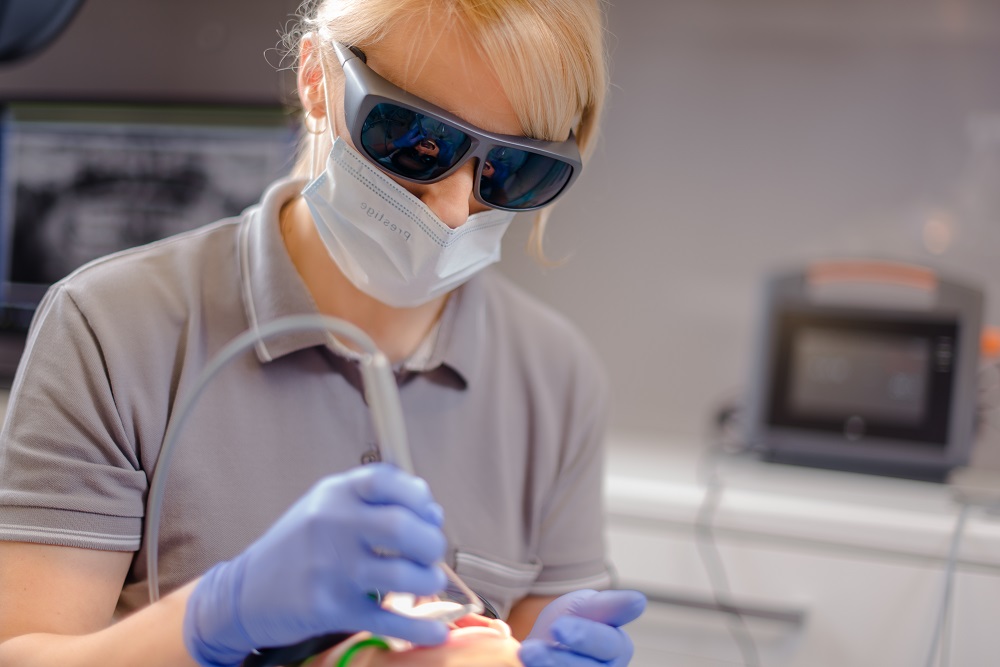
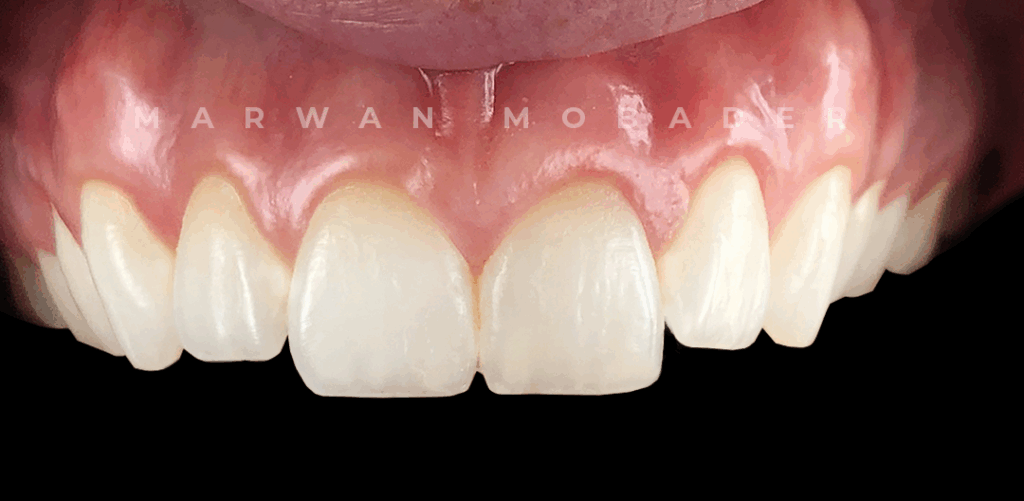
In recent years, low-level laser therapy (LLLT)—also known as photobiomodulation—has gained remarkable attention in implant dentistry. Among the various wavelengths used, red laser light at 635 nm has shown particularly promising effects on bone metabolism, healing, and implant stability. As clinicians continually seek methods to enhance osseointegration and long-term implant success, understanding how red laser light supports these biological processes is both timely and essential.
How Does Red Laser Light Work?
Low-level laser irradiation operates on the principle of photobiomodulation, a process by which specific wavelengths of light stimulate cellular activity without causing thermal damage.
At 635 nm, red light is efficiently absorbed by cytochrome c oxidase within mitochondria, leading to enhanced ATP synthesis, improved cellular metabolism, and modulation of inflammatory mediators [. This biochemical cascade accelerates wound healing and supports osteoblastic activity around the implant surface
Laser Effects on Bone Healing and Osseointegration
Several studies have demonstrated that low-power laser irradiation significantly influences bone regeneration and implant stability.
Amid et al. (2014) observed that 635 nm laser light enhances the proliferation and differentiation of osteogenic cells, which are key to bone formation and repair. Similarly, Rathnakar et al. (2016) showed that laser exposure improves soft-tissue healing and vascularization, both critical in the early phases of osseointegration.
In a clinical context, Flieger et al. (2019) conducted a randomized split-mouth trial on orthodontic mini-implants and reported that 635 nm diode laser therapy significantly improved implant stability compared with control groups. Their findings suggest that red laser irradiation stimulates bone density and secondary stability during the critical healing phase.
Photobiomodulation and Peri-Implant Bone Density
The effect of laser photobiomodulation extends beyond initial stabilization.
Matys et al. (2019) evaluated the influence of a 635 nm diode laser on peri-implant bone density and secondary implant stability. The study confirmed measurable improvements in bone mineralization and reduced healing time, indicating that laser-treated implants achieved faster integration with surrounding bone tissue.
These outcomes align with earlier experimental observations by Matys et al. (2017) who assessed implant stability using cone-beam computed tomography (CBCT) and Periotest measurements, noting that implants subjected to adjunctive photobiomodulation exhibited enhanced primary stability parameters.
Clinical Relevance
The integration of LLLT into implantology offers several tangible benefits:
Accelerated Osseointegration — Shorter healing periods before prosthetic loading.
Reduced Inflammation and Pain — Due to modulation of cytokine activity.
Predictable Healing in Compromised Patients — Particularly valuable in elderly or medically complex individuals.
When combined with precise surgical techniques and quality implant systems photobiomodulation may become a routine adjunct in enhancing implant success rates.
Conclusion
The use of 635 nm red laser light represents a scientifically validated, non-invasive adjunct to improve dental implant stability and accelerate osseointegration. By promoting cellular energy production and modulating local tissue responses, it strengthens both the biological and mechanical foundations of implant therapy.
Ongoing research continues to refine laser parameters and protocols, but the current evidence supports incorporating low-level red laser irradiation as part of a modern, evidence-based approach to implant dentistry.