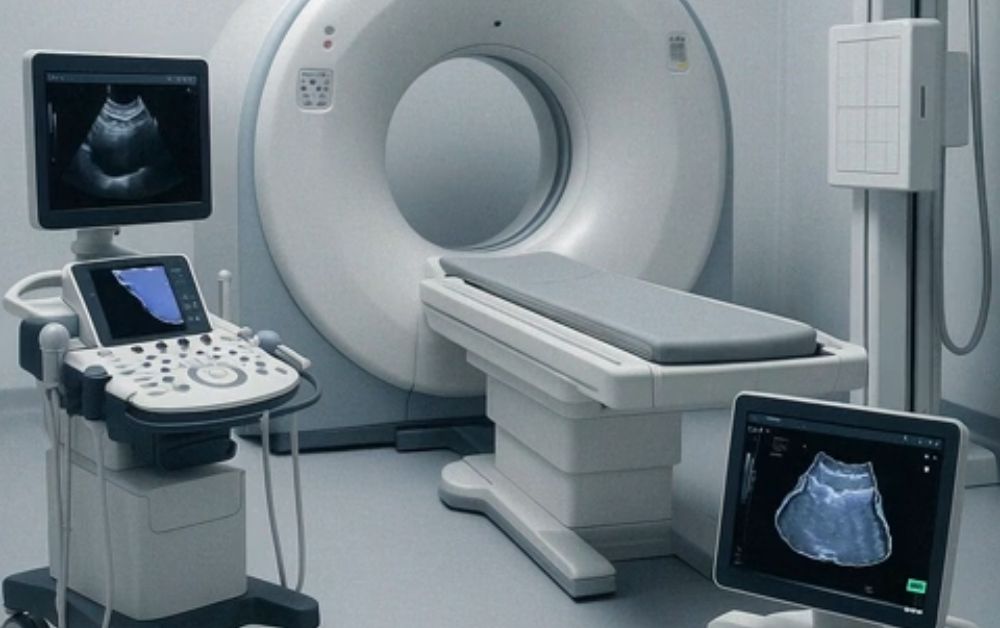
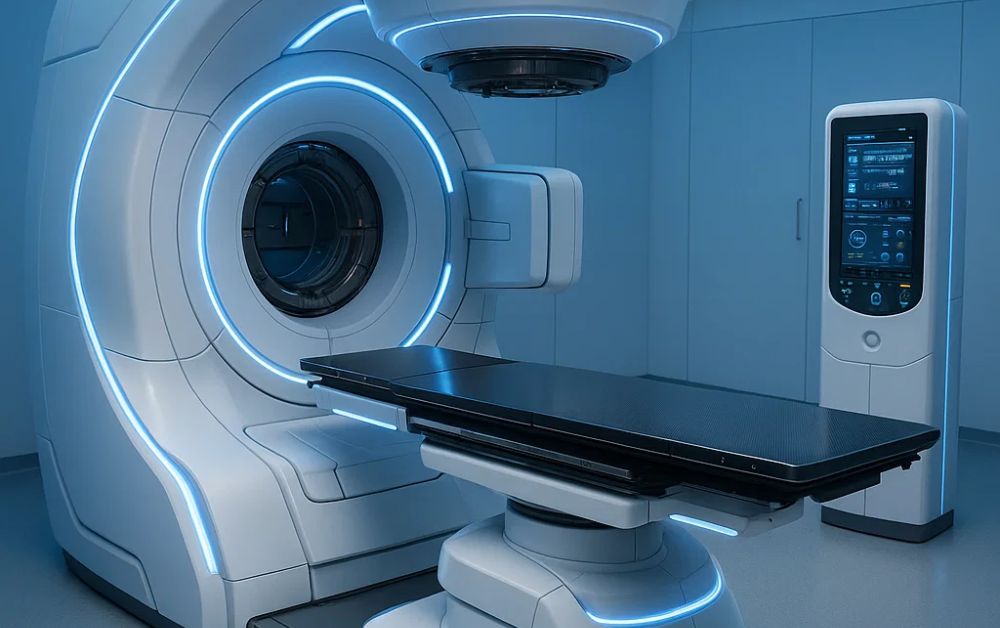
The healthcare industry has entered an era of technological transformation, and medical imaging stands at the center of it. Modern imaging tools are enabling doctors to detect diseases earlier, plan treatments more effectively, and improve patient outcomes. The demand for faster, safer, and more accurate imaging has driven innovation across hospitals, diagnostic centers, and clinics worldwide.
Today, medical imaging equipment service companies are helping healthcare providers stay ahead of the curve by integrating advanced systems and maintaining their performance at the highest standards. Let’s explore the key trends shaping the future of medical imaging and how these innovations are redefining healthcare delivery.
1. Digital Transformation in Medical Imaging
Digital systems have changed medical imaging technology from analog to digital. Conventional film-based imaging has been replaced by digital radiography (DR), computed radiography (CR), and picture archiving and communication systems (PACS).
Key benefits include:
Quicker: Digital is faster than its analogue counterpart, as images can be displayed on screen almost immediately, saving analysis time.
Superior Imaging: Better resolution enables clinicians to see finer interosseous details.
Digital Data Sharing Simplicity: Records can be easily shared between departments or even campuses.
Cost-Effective: No need for film, chemicals, or manual storage.
This transformation is not only increasing workflow efficiency but also driving collaboration within healthcare provider networks, resulting in better patient care & greater operational effectiveness.
2. Integration of AI and ML (Artificial Intelligence/Machine Learning)
AI and machine learning are fueling a significant transformation in the analysis and interpretation of imaging data. These technologies help radiologists spot patterns, avoid diagnostic errors, and boost productivity.
Applications of AI in medical imaging:
Automated Image Processing: Able to identify any defects such as a tumor, crack, or disease, etc, with high precision.
Predictive Analytics: Aids in the prediction of disease progression using imaging data.
Workflow Automation: Make way for urgent cases and simplify reporting.
Decision Support: Provides information to assist clinicians in treatment planning.
AI algorithms are also, year by year, removing radiologists’ workloads and lifting confidence in diagnoses at health facilities.
3. Portable and Point-of-Care Imaging Systems
The increasing demand for accessibility and convenience is driving a trend toward portable imaging systems. Smaller X-ray, ultrasound, and CT machines can now be operated right at the patient’s bedside or in other isolated areas.
Advantages of portable systems include:
Instant Access: Used for emergency, ICUs, and operating rooms.
Enhanced mobility: Can capture images anywhere, including in the field and rural health care environments.
Patient Comfort: Minimizes the necessity to transport critical patients.
This trend is seen as particularly advantageous in countries with people spread across wide areas, which can benefit from diagnostic services provided to remote and poorly served locations.
4. Low-Dose and Radiation-Free Imaging Technologies
Radiation exposure has always been an important consideration in diagnostic imaging. Today’s machinery is fine-tuned to reduce exposure while maximizing clarity and precision.
Recent advancements include:
CT scanners: Lower the dose by computer algorithms that detect only what is necessary to image.
Digital Detectors: Improved image quality at lower exposure.
MRI Innovations: Providing Radiation-Free, High Resolution Imaging for Soft Tissues.
These developments guarantee patient safety while still maintaining diagnostic accuracy, especially in paediatric and repeat imaging.
5. Hybrid Imaging Systems
Hybrid imaging integrates two or more techniques to increase diagnostic possibilities. In systems such as PET/CT, PET/MRI, and SPECT/CT, functional and anatomical information are combined into a single image.
Benefits of hybrid imaging:
Enhanced Diagnosis: Provides comprehensive structure and functional visualization.
Improved treatment planning: Guides therapists in real-time assessment of therapy effectiveness.
Quicker Diagnosis: Less of a necessity for taking various scans.
Hybrid imaging is extremely useful in fields such as oncology, cardiology, and neurology, where the visualization of subtle pathology is mandatory for precision medicine.
6. 3D and 4D Imaging Technologies
3D and 4D are utilized as powerful tools for superior visualization in diagnostics and treatment planning. The images they produce grant depth, motion, and live perspectives of internal structures.
Applications include:
3D Mammography (Tomosynthesis): Improves breast cancer detection accuracy.
4D Ultrasound: Provides a live capture facility for obstetric and cardiovascular uses.
3D Surgery Planning: Allows surgeons to virtually rehearse and prepare for complex surgeries.
The ability to visualize images dynamically, in motion, improves accuracy, resulting in more confident diagnoses & a better patient experience.
In Conclusion
Medical imaging continues to be one of the most rapidly advancing fields in healthcare. The integration of AI, digital technologies, and hybrid imaging systems is transforming how clinicians diagnose and treat diseases. These innovations promise earlier detection, safer procedures, and more personalized care for patients.
For healthcare providers seeking advanced imaging solutions & reliable service support, Paramount Medical Equipment Trading LLC delivers trusted expertise and cutting-edge technologies designed to keep medical imaging systems performing at their best.