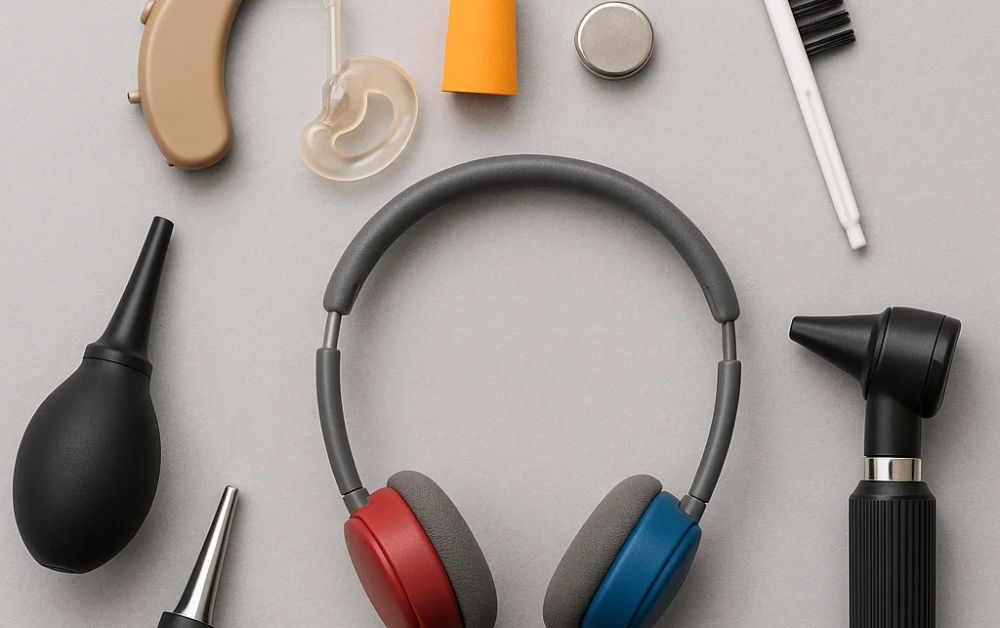
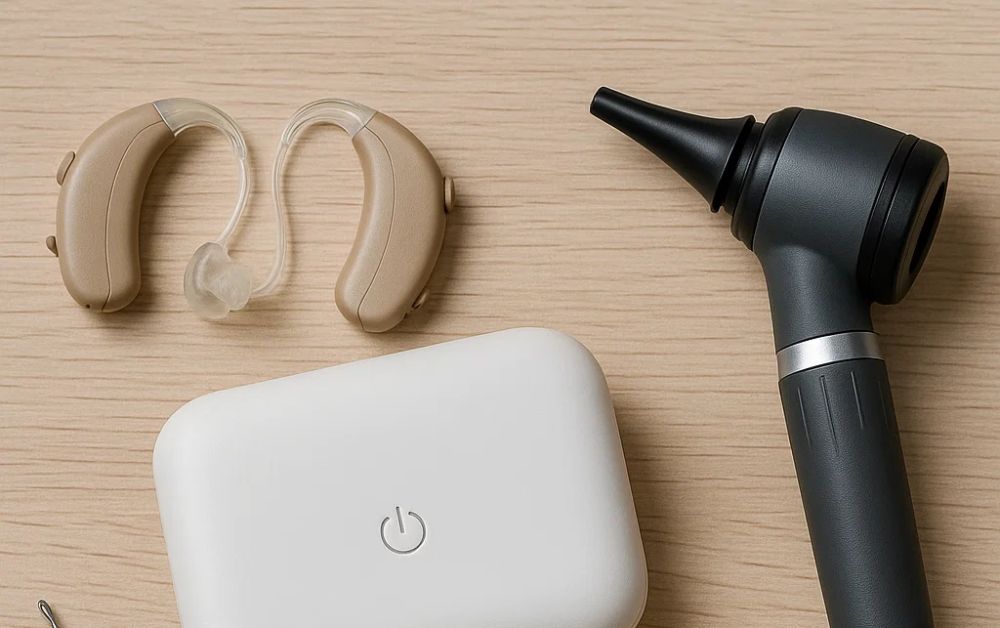
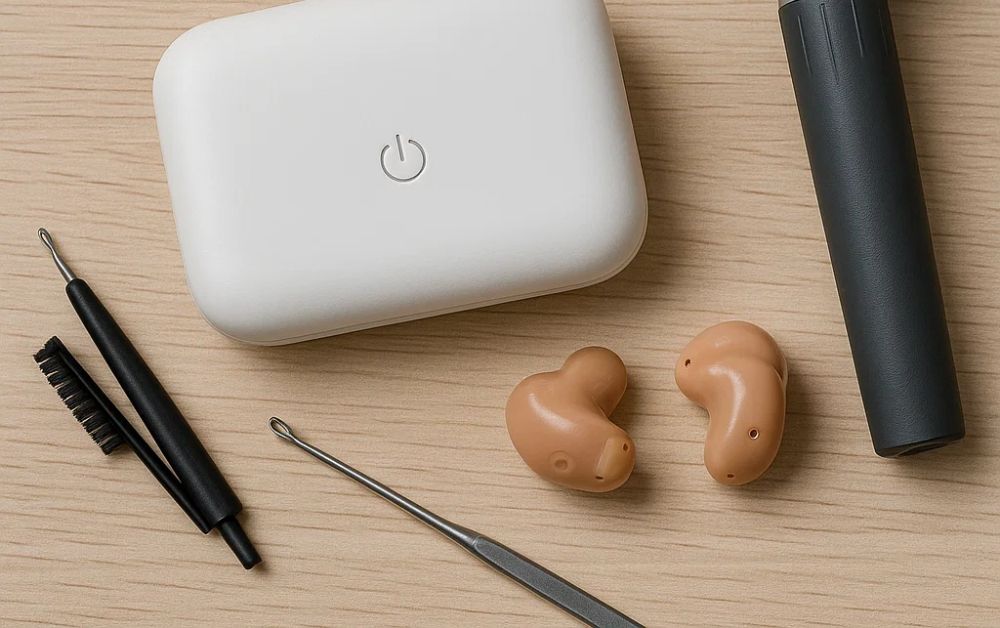
Hearing health has entered a new era of innovation. What was once limited to bulky hearing aids & basic diagnostic tools has evolved into a world of smart, connected, and exact technologies. The audiology industry is rapidly adopting advanced devices designed to improve diagnosis, enhance hearing comfort, & empower both patients & professionals.
From AI-powered hearing aids to wireless diagnostic systems, the latest innovations are redefining how audiologists assess, treat, & manage hearing conditions. Let’s explore some of the most exciting advancements shaping the future of hearing care & transforming the audiology products UAE providers rely on today.
1. Intelligent Hearing Aids: The New Norm
Traditional hearing aids are no longer merely amplifiers — now they’re smart systems that adapt to the user’s environment. These days, sound clarity, comfort, & connectivity have all advanced.
Key advancements include:
- Artificial Intelligence Technology: With AI, hearing aid settings can be automatically adapted to individual environments & noise levels.
- Bluetooth Wireless: Enjoy high-quality sound streamed directly to your hearing aids from your smartphone, television, & other Bluetooth-enabled devices.
- Rechargeable Batteries: Many new models feature lithium-ion batteries, eliminating the need for frequent replacements.
- Health Tracking: Some hearing aids now include sensors that monitor physical activity & even falls.
These intelligent instruments don’t just aid you hear better; they also make your life easier. They’re smaller, they’re sleeker, and they’re smarter — made to slide neatly into daily living.
2. Advanced Diagnostic Audiometers
Correct identification of hearing loss is the key to successful management. Advanced diagnostic audiometers usually offer digital interfaces, can be connected via the cloud, and feature sophisticated calibration options for accurate results.
Some notable improvements include:
- Touchscreen Interface: Easy-to-use controls for audiologists and time-saving testing procedures.
- Automated sequences: Reduce risk of human error & improve testing consistency.
- Wireless Communication: Facilitates real-time data transmission & EMR integration.
- Handheld Designs: Lightweight & battery-driven for mobile clinics or field testing.
These enhancements enable audiologists to conduct detailed hearing testing more quickly, precisely, and comfortably for patients.
3. Real-Ear Measurement and Fitting Systems
Absolute ear measurement (REM) is a crucial procedure in hearing-aid fitting. The newer REM systems are faster, more accurate, and user-friendly.
Innovations include:
- Auto probe calibration: Increases your accuracy every time.
- Live Speech Mapping: This is used to see how a hearing instrument is working with the patient’s actual voice.
- Wireless Sensors: Say goodbye to cumbersome cabling and tense fittings.
Using this ammunition, audiologists are refining hearing-aid fittings with laser-like precision and achieving significant improvements in patient satisfaction and auditory performance.
4. Bone Conduction Hearing Devices
Conductive technology has developed with bone conduction, and it provides aid for patients who cannot tolerate conventional hearing aids because of pathology in the outer or middle ear. Such devices transmit sound through the skull bone to the cochlea.
Recent improvements include:
- Implantable Devices: These devices are intended for patients with chronic middle ear disease or developmental malformations.
- Wireless Sound Processors: Clearer sound, greater comfort, and better cosmetics.
- Magnetic Attachments: A new kind of elastic headband to replace the old one for a more discreet, comfortable fit.
Bone conduction systems are increasingly considered a feasible alternative & are preferred by some patients, mainly those seeking less invasive options.
5. Cochlear Implant Advancements
Cochlear implants have transformed the way we can restore hearing in those with severe or profound hearing loss. Recent models have gotten smaller, more powerful, and better at restoring natural sound perception.
Key innovations include:
- Intelligent Speech Processing Algorithms: Enhance the sound of your voice and not with other distracting noises.
- A Riveting Wireless Charging: Say goodbye to the long, tangled charging cable. The cool black design makes others drool.
- MRI Safe: Makes it possible for patients to have Medical Imaging done without having to remove the implants.
- Waterproof Styles: Provide greater convenience in daily usage.
These enhancements are making a world of difference to the quality of life for patients, enabling them to hear conversations, music, & the sounds of their daily lives with surprising ease.
6. Remote Hearing Care and Tele-Audiology
The global trend toward digital medicine has also affected audiology. Audio-teleaudiology provides for distance testing, diagnosing, and programming of hearing instruments.
Benefits include:
- Remote Programming: Audiologists can program hearing aids without patient visits.
- Online Hearing Tests: They facilitate fast screening and identification of hearing problems.
- Data dissemination: When private cloud solutions are employed, patient records and test results can be moved between clinics.
This method has been beneficial in areas with limited access to hearing health care services. Patients can now be attended to by a specialist at home, making care convenient and accessible from anywhere.
7. Pediatric Audiology Tools
Assessing children’s hearing presents special challenges and requires specialized tools and methods. Developments include pediatric audiology systems that aim to make testing quicker, more child-friendly, and less scary.
Recent innovations include:
- Visual Reinforcement Audiometry (VRA) Systems – Employ colorful animations to elicit responses in hearing tests.
- Conditioned Play Audiometry (CPA): Transforms listening assessments into game-like activities that increase compliance and precision.
- Anti-noise Environments: Work for accurate results also in uncontrolled environments.
These improvements facilitate earlier detection and treatment of hearing loss, which promotes better language and mental development in children.
In Conclusion
The pace of innovation in hearing technology is accelerating, offering better comfort, performance, & personalization than ever prior. From AI-driven hearing aids to advancements in remote diagnostics & pediatric testing, these developments are transforming how professionals & patients experience hearing care.
For clinics and hospitals seeking the latest audiology products in the UAE, Paramount Medical Equipment Trading LLC gives a trusted range of advanced audiology solutions designed to meet the growing demands of modern hearing healthcare.