The medical technology sector is undergoing dramatic change through rapid advancement in digital technologies, growing healthcare requirements, and calls for less expensive, tailored care. The developments are transforming the healthcare delivery model and reshaping how medical devices are designed, developed, and delivered. As we look ahead, the most significant trends are falling into place that will map the course for the future of medical equipment production. This blog looks at the crucial developments poised to transform this significant industry and how they will impact medical equipment producers worldwide.
1. AI and Machine Learning Integration into Medical Devices
Artificial Intelligence (AI) and Machine Learning (ML) are no longer in healthcare’s future. These technologies are now directly incorporated into medical devices to enhance diagnostics, automate operations, and improve patient outcomes. Solutions like AI-enabled imaging products, wearable sensors, and diagnostic tools enable quicker, more accurate decision-making. To manufacturers of medical devices, this means a shift towards designing more intelligent devices that learn and improve in real-time, reducing the chance for human error and improving clinical performance.
AI is also improving preventive care by predicting illnesses before signs appear. Because of this, manufacturers are working hard to create predictive diagnosis equipment that can handle large volumes of data and inform physicians of potential hazards to health in advance.
2. Wearable and Remote Monitoring Devices Emergence
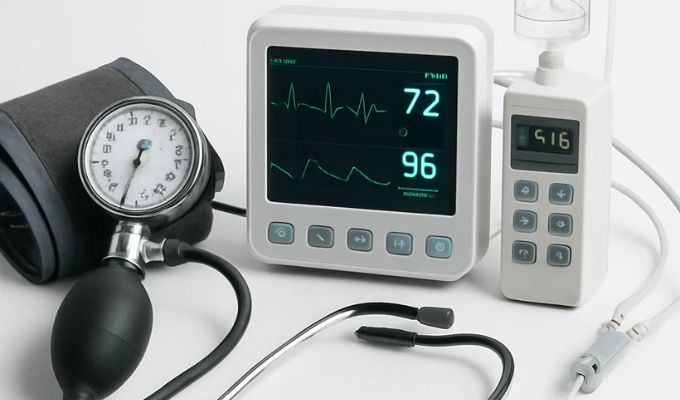
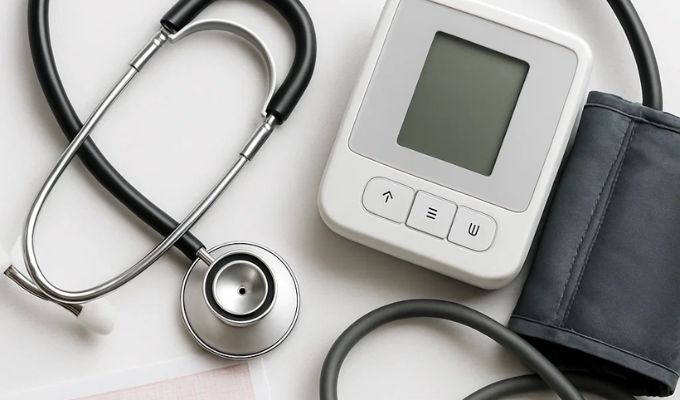
Remote medicine is experiencing geometric growth, especially after the global pandemic, underlining the need for decentralized healthcare solutions. Self-use diagnostic devices, wearable devices, and telemedicine-enabled devices are becoming the hub of healthcare provision today. Devices such as ECG, glucose level, and blood pressure monitors are being redesigned for continuous and remote use.
Medical device manufacturers are investing more in miniaturized, simple, and networked devices that can be operated independently by the patient at home. They provide clinicians with real-time health information and allow patients to stay actively engaged in their care plans, leading to better long-term health outcomes.
3. Regulatory Compliance and Cybersecurity Focus
As medical equipment grows more networked and data-driven, data security and privacy have taken precedence. Strong cybersecurity rules for medical equipment are being added to the standards by regulatory bodies including the FDA, EMA, and ISO.
For medical device companies, this trend involves developing products compliant with global regulatory needs and possessing robust cybersecurity controls. This includes encrypting data, secure firmware updates, and end-to-end data protection strategies. As the healthcare space becomes more digital, regulatory compliance will not be an obstacle but one more advantage.
4. Sustainability and Eco-Friendly Manufacturing
Sustainability is a trend that is sweeping all industries, and healthcare is no exception. Governments, investors, and patients are calling for greener operations, and medical equipment manufacturers are responding. Green manufacturing processes, recycled parts, and green energy consumption are all the new norm.
Companies now emphasize lifecycle management, minimizing waste, and environmentally sound disposal of old or unused equipment. Even the shift to a circular economy where equipment is reconditioned and reused rather than disposed of is happening here.
5. 3D Printing and Customization
3D printing or additive manufacturing is revolutionizing the design and production of medical devices. It allows for rapid prototyping, small-batch inexpensive output, and even the creation of patient-specific devices like prostheses, implants, and surgical instruments.
This capacity for personalization enhances patient treatment and reduces manufacturing lead time and material wastage. Healthcare device manufacturers increasingly employ 3D printing to create new products faster, verify designs better, and meet the growing demand for personalized care solutions.
6. Internet of Medical Things (IoMT) adoption
Networked medical devices that gather and report health data are referred to as the Internet of Medical Things, or IoMT. They can be simple wearable fitness trackers to advanced surgical equipment on a hospital IT network.
IoMT enables constant monitoring, equipment predictive maintenance, and optimized inventory management in healthcare environments. The future for medical device manufacturers lies in designing devices that function for a medical need and harmoniously interact with other systems. These devices enhance workflow efficiency, reduce downtime, and optimize clinical decision-making.
7. Trend Towards Value-Based Healthcare
Healthcare organizations worldwide are transitioning from fee-for-service models to value-based care, where outcomes and patient satisfaction dictate reimbursement levels. This is causing medical device manufacturers to prove their products’ clinical and economic value.
Now, manufacturers must demonstrate how their equipment contributes to better patient outcomes, lower costs, and greater efficiency. Hence, there is more focus on outcome-based innovations, post-market surveillance, and real-world data analytics to validate the effectiveness of products.
8. Robotics and Automation in Medical Equipment
Robotics is also entering solidly into surgery, rehabilitation, and hospital logistics. Robotic surgeries, for example, give smaller incisions, shorter recuperation times, and fewer complications. Meanwhile, automated systems in hospitals handle everything from dispensing medication to cleaning.
Medical equipment manufacturers are incorporating robotics and automation in their products to remain competitive. The technologies are making the equipment more efficient and improving the patient and clinician experience.
Conclusion
The future of medical equipment manufacturing is being shaped by a dynamic mix of regulatory evolution, technology innovation, and changing healthcare requirements. The sector is at a crossroads along the continuum from IoMT and AI to sustainability and personalization. For medical equipment manufacturers, staying in front of these trends is not a matter of technological competency—it’s about transforming how they approach design, production, and value creation for healthcare providers and patients.
Individuals who adopt these trends and invest in cutting-edge approaches will succeed and be key players in the future of global health. With medical technology’s limits stretching further, the potential for innovation and influence has never been higher.