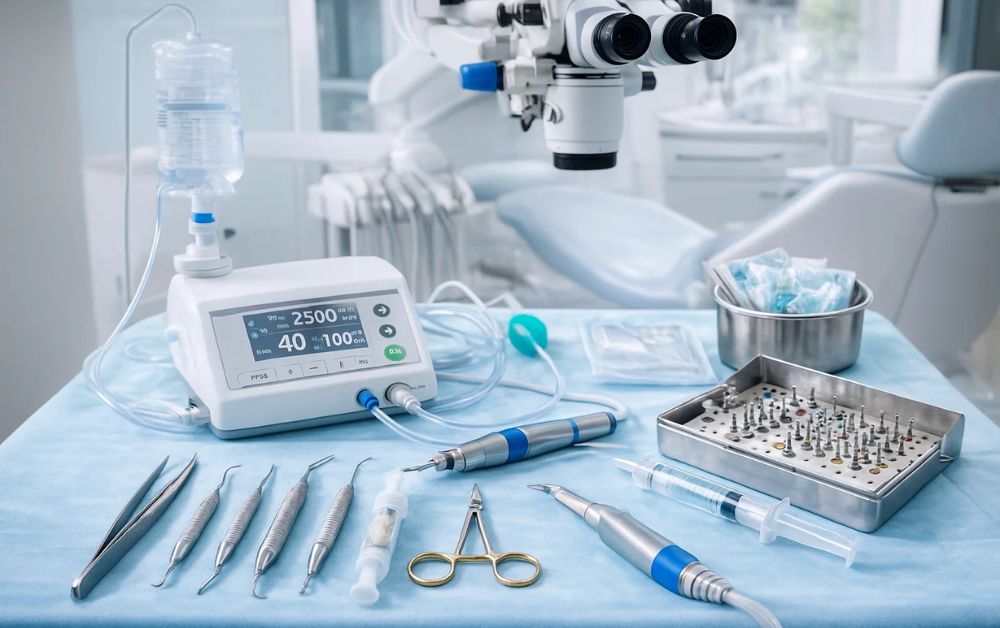
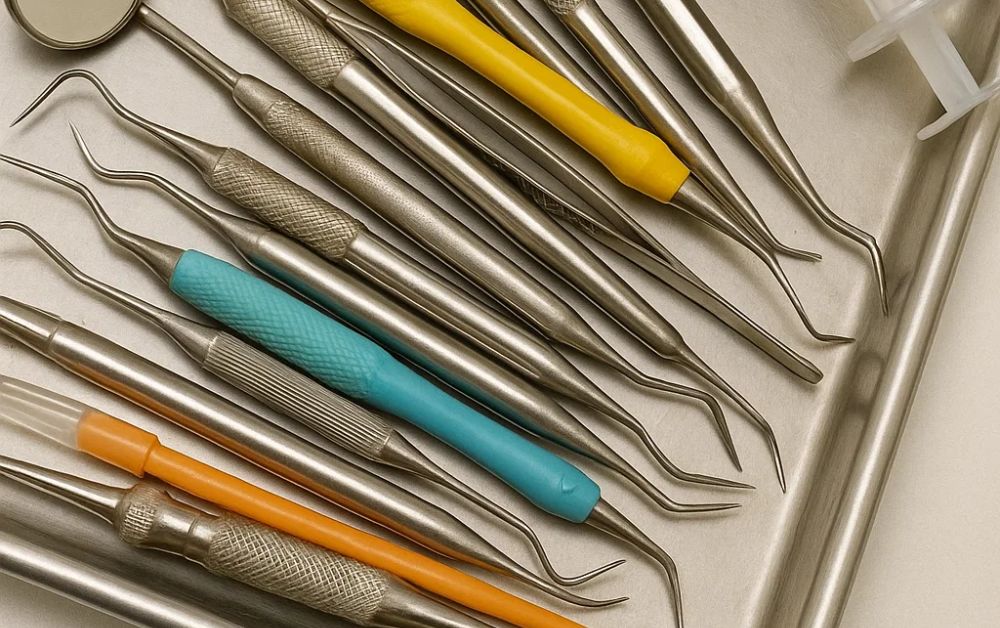
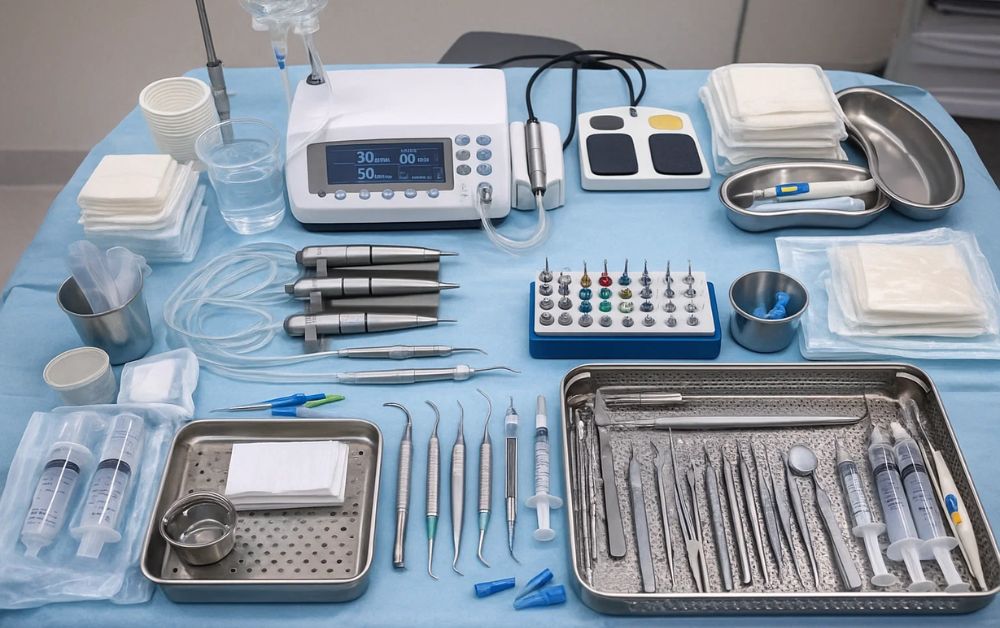
Dental surgical equipment in UAE is a critical investment for any dental clinic, where modern technology plays a key role in ensuring patient safety and treatment accuracy. Over time, even the most reliable tools and machines can wear out or become outdated. Recognizing the signs that your dental surgical equipment needs replacement can aid you avoid costly repairs, disruptions in your practice, and, most importantly, maintain high standards of care for your patients.
Why Timely Replacement Matters
Your dental surgical equipment is used every day for everything from routine cleanings and extractions to more complex oral surgeries. If that equipment isn’t functioning correctly, it can have serious consequences. The risks include:
- Patient Safety Concerns: Malfunctioning or outdated equipment can lead to injury or infection.
- Inaccurate Treatments: Worn-out tools or devices can affect the precision of your procedures, leading to mistakes.
- Increased Costs: Delaying replacement can lead to frequent repairs and downtime, costing you more in the long run.
- Decreased Efficiency: Old equipment can be slower, less reliable, and sometimes incompatible with newer technologies, slowing your workflow.
By proactively replacing equipment when needed, you ensure your clinic remains efficient & provides the best care for your patients.
Signs That Your Dental Surgical Equipment Needs Replacement
1. Frequent Malfunctions or Breakdowns
If your equipment breaks down regularly & requires constant repairs, it’s probably time to replace it. Frequent malfunctions can disrupt your workflow, slow down treatment times, and even damage your reputation. For example, if a handpiece stops mid-procedure or an X-ray machine consistently fails to calibrate correctly, these are clear indicators that a replacement is needed.
2. Reduced Performance
Over time, dental equipment such as drills, suction systems, and imaging devices can become less efficient. Slower tools, weak suction, or unclear X-ray images are all signs of wear and tear. Reduced performance can compromise the quality of your procedures and may even put patients at risk.
3. Difficulty Finding Replacement Parts
As equipment gets older, it can become harder to find replacement parts. If you’re having trouble sourcing parts or if they’re becoming overly expensive, it’s a strong signal that your equipment is no longer supported and should be replaced with newer models.
4. Outdated Technology
Dental technology moves fast, & older equipment may lack features such as digital imaging, improved ergonomics, or greater energy efficiency. Using obsolete tools can limit your clinic’s capabilities and hinder your competitiveness in the UAE market, where patients expect top-tier care and modern solutions.
5. Visible Wear and Tear
Visible damage, such as cracks, rust, frayed wires, or worn mechanical parts, is another clear sign that your equipment is nearing the end of its lifespan. Not only does this affect performance, but it can also pose safety risks for both staff and patients.
6. Safety Concerns
If any of your equipment poses a safety risk, such as faulty sterilization units, exposed electrical parts, or structural weaknesses, it’s time to replace it immediately. Patient and staff safety should always come first, and equipment that can’t meet safety standards should not be used.
7. High Maintenance Costs
As equipment ages, repair costs often increase. If your repair bills are approaching the cost of buying new equipment, it may be more cost-effective to invest in newer, more reliable tools. New equipment can also reduce downtime and help improve your clinic’s overall efficiency.
Tips for Managing Equipment Replacement
- Keep an Inventory: Track your equipment, including purchase dates, service history, and maintenance records. This helps you stay on top of when a replacement might be due.
- Schedule Regular Inspections: Routine checks of all your equipment can aid you identify minor issues before they escalate.
- Consult Professionals: Work with certified service providers to evaluate your equipment’s condition and determine when replacement is necessary.
- Plan for Upgrades: When replacing equipment, consider technological advancements and your patients’ evolving needs. It’s always a good idea to invest in equipment that will keep your clinic on the cutting edge.
In Conclusion
Recognizing when your dental surgical equipment in the UAE wants to be replaced is essential for maintaining patient safety, operational efficiency, and the overall quality of care you provide. By staying on top of regular assessments, preventive maintenance, & upgrading your equipment when necessary, you ensure your clinic continues to operate smoothly and efficiently. For dental clinics seeking top-quality equipment with expert support, Paramount Medical Equipment Trading LLC gives reliable solutions that last, helping you deliver the best possible care to your patients.