Eye care demand across the UAE continues to rise, driven by an aging population, high rates of diabetes-related eye conditions, and growing awareness of the value of regular eye screening. Meeting this demand depends on having the right ophthalmic equipmentin place, from basic examination tools used in every eye clinic to advanced surgical systems found in specialist hospitals. This guide covers the main categories of ophthalmic equipment UAE eye care providers rely on and what to consider when sourcing it.
Why Eye Care Demand Is Rising in the UAE
Diabetes is a significant health concern across the UAE population, and diabetic retinopathy is one of the leading causes of vision loss it can cause. Regular screening catches this early, which has increased the number of patients passing through general ophthalmology clinics each year. At the same time, an aging population brings higher rates of cataracts and glaucoma, both of which require ongoing diagnostic monitoring and, eventually, surgical treatment.
Diagnostic Ophthalmic Equipment
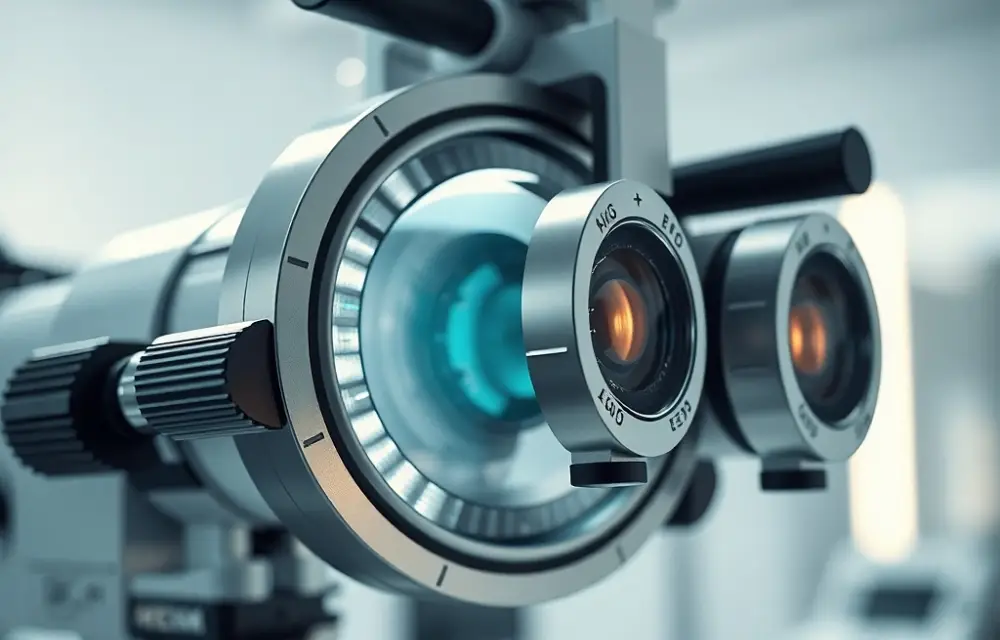
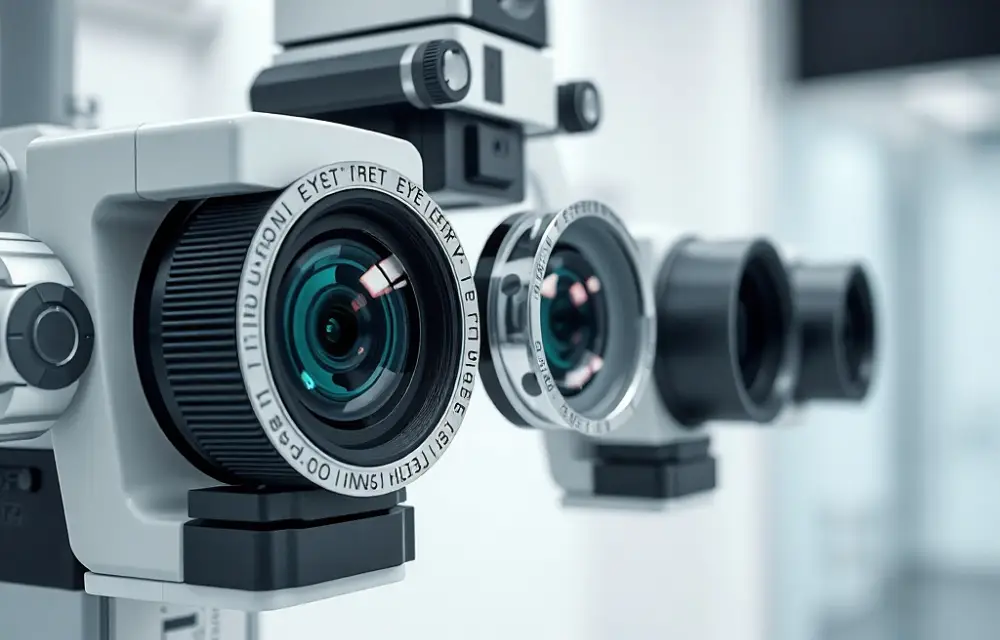
Every eye clinic depends on a core set of diagnostic ophthalmic equipment. Slit lamps allow detailed examination of the front of the eye, tonometers measure intraocular pressure to screen for glaucoma, and autorefractors speed up vision testing for glasses prescriptions. More advanced clinics add optical coherence tomography systems, which produce detailed cross-sectional images of the retina, and fundus cameras, which photograph the back of the eye for diabetic retinopathy screening and record-keeping.
Surgical Ophthalmic Equipment
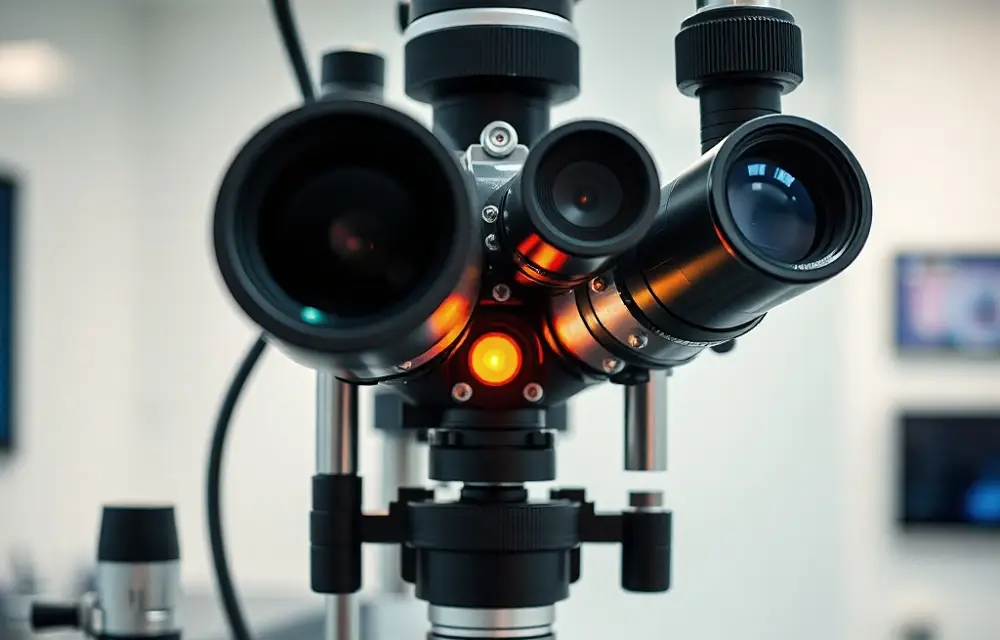
Hospitals and surgical eye centers require a further layer of equipment. Phacoemulsification machines are used in cataract surgery to break up and remove the clouded lens, while ophthalmic lasers treat conditions ranging from diabetic retinopathy to certain types of glaucoma. Operating microscopes designed specifically for eye surgery give surgeons the magnification and lighting needed for these extremely precise procedures.
Refraction and Vision Correction Equipment
Optical shops and vision correction clinics rely on a different but related set of ophthalmic equipment, including phoropters for manual refraction testing, trial lens sets, and equipment used in fitting contact lenses. This equipment needs regular calibration to keep prescriptions accurate, making supplier-provided calibration services a genuine consideration when purchasing.
Standards and Supplier Considerations
As with all medical devices sold in the UAE, ophthalmic equipment must meet MoHAP and DHA certification requirements. Beyond compliance, clinics should look for suppliers who can provide proper installation, staff training on increasingly software-driven diagnostic devices, and responsive service support, since a fault in a single piece of diagnostic equipment can bring an entire clinic’s patient flow to a stop.
Paramount UAE: Ophthalmic Equipment Supplier
Paramount UAE supplies a wide range of ophthalmic equipment to eye clinics and hospitals across the UAE, covering diagnostic, surgical, and vision correction categories. The team supports facilities with product selection matched to their patient volume, installation, staff training, and ongoing calibration and maintenance support.
Planning Equipment Around Patient Flow
General screening clinics with high patient turnover benefit from fast, easy-to-use diagnostic ophthalmic equipment such as autorefractors and non-contact tonometers, which keep appointments moving without sacrificing accuracy. Surgical centers, by contrast, need to plan theatre layout around the specific footprint of phacoemulsification machines and laser systems, since these units often require dedicated power, cooling, or space considerations that a general screening clinic would not encounter.
Servicing and Calibration Schedules
Ophthalmic diagnostic equipment depends heavily on accurate calibration, since even small measurement drift in a tonometer or autorefractor can lead to an incorrect prescription or a missed early sign of glaucoma. Facilities should agree a calibration schedule with their supplier at the time of purchase, rather than waiting for a problem to appear, and should keep records of each calibration visit as part of their overall equipment maintenance program.
Space Planning for Ophthalmic Equipment
Ophthalmic equipment is often compact compared with other diagnostic imaging systems, but many devices still need specific lighting conditions, darkened rooms for certain retinal imaging, or dedicated bench space for refraction equipment. Planning room layout around these requirements before equipment arrives avoids costly rework later and helps keep patient flow efficient once the clinic opens.
Conclusion
Rising demand for eye care across the UAE makes reliable, properly certified ophthalmic equipment more important than ever. Whether a facility is equipping a general screening clinic or a full surgical eye center, working with a supplier who understands both the equipment, patient flow considerations, and the regulatory landscape helps ensure patients receive accurate diagnosis and safe treatment. Paramount UAEcontinues to support this growing area of UAE healthcare with its ophthalmic equipment range and technical expertise.